Monthly Car Check Checklist: Tires, Fluids, Lights
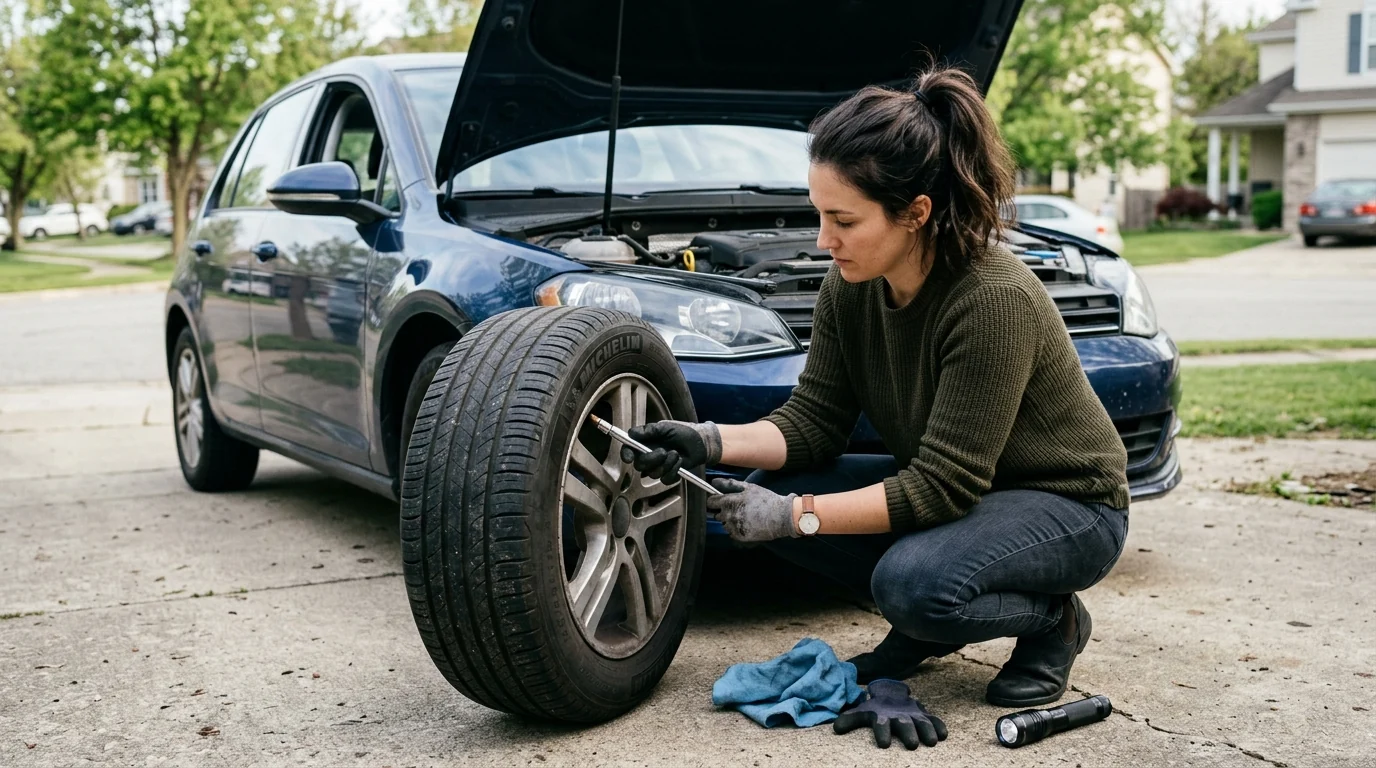
Essential Monthly Car Checks: A Practical Checklist for Safer, Longer-Lasting Driving
A short monthly inspection helps catch small issues before they become expensive repairs or roadside surprises. With a simple routine that fits into 20–30 minutes, most drivers can cover the safety-critical items at home using minimal tools—especially tires, fluids, lights, and visibility. Over time, these quick checks can improve braking performance, fuel economy, and overall reliability.
A 20–30 Minute Monthly Routine (Tools and Setup)
Consistency is the secret. Pick a predictable date (like the first weekend of each month), park on level ground, and work in good lighting so you’re not rushing or guessing at what you’re seeing.
- Basic tools: tire pressure gauge, tread-depth gauge (or a coin), paper towels, flashlight, gloves, windshield washer fluid, and a small notebook (or phone note) for tracking.
- Simple flow: start with a quick walk-around, then tires, then under-hood fluids, then lights and wipers, and finish inside the cabin.
| Step | What to check | Time |
|---|---|---|
| Walk-around | Leaks, damage, glass, lights, tires look uneven | 3–5 min |
| Tires | Pressure, tread depth, sidewall condition | 8–10 min |
| Under hood fluids | Oil, coolant, brake fluid, washer fluid | 7–10 min |
| Lights + wipers | Head/turn/brake/reverse lights, wiper condition | 3–5 min |
| Cabin safety | Seat belts, warning lights, emergency kit items | 3–5 min |
Tires and Wheels: The Biggest Safety Payoff
If you only do one monthly check, make it tires. Tire pressure and tread directly affect stopping distance, wet traction, and stability. For tire safety background and best practices, see the NHTSA’s guidance: NHTSA Tire Safety.
- Check pressure cold: measure before driving (or after the car has been parked for a few hours). Use the driver-door placard for the correct PSI—don’t use the number molded into the tire sidewall.
- Scan tread depth across the tire: check inner, center, and outer tread. Uneven wear can point to alignment, balancing, or suspension issues.
- Inspect sidewalls: look for cracks, bulges, embedded nails/screws, or scuffs that expose cords. If pressure drops and you can’t find why, re-check daily for a few days to confirm a slow leak.
- Wheels and lug nuts: note dents, missing lug caps, or anything that looks “off.” If you suspect a loose lug nut, schedule service rather than tightening blindly (incorrect torque can cause damage).
For pressure timing and temperature effects, AAA offers a helpful overview: AAA tire pressure guidance.
Fluids Under the Hood: Small Top-Ups, Big Protection
Most modern engines and brake systems are durable—until they’re run low on the fluid they depend on. These quick checks reduce wear and help you spot a developing leak early.
- Engine oil: check the dipstick level and observe the oil’s appearance. Amber to dark brown is common. A sudden drop, strong fuel smell, or milky look needs professional inspection.
- Coolant: check the reservoir level only when the engine is fully cool. Never open a hot radiator cap.
- Brake fluid: confirm the level sits between MIN and MAX. If it keeps dropping, it could indicate brake pad wear or a leak—either way, it deserves an inspection.
- Power steering fluid (if applicable): check level and watch for foaming or a burnt smell.
- Windshield washer fluid: topping up monthly prevents surprises during winter grime or bug-heavy seasons.
- Look underneath: note fresh drips and their color/location—oil is often brown/black, coolant is often bright-colored, and brake fluid can be clear/amber.
| Fluid | What “normal” looks like | Red flags |
|---|---|---|
| Engine oil | Level between marks; amber to dark brown | Milky oil, strong fuel smell, rapid level drop |
| Coolant | At reservoir marks when cold | Repeated loss, oily film, sweet smell with steam |
| Brake fluid | Near MAX with clear/amber tone | Below MIN, dark/dirty fluid, spongy pedal |
| Washer fluid | Reservoir topped up | Frequent emptying (possible leak), weak spray pattern |
Lights, Glass, and Visibility Checks
Visibility problems create safety problems—especially at night, in rain, and during winter driving. This monthly check is fast and often prevents tickets and close calls.
Battery and Belts: Preventing No-Start Mornings
Brakes, Steering, and Suspicious Sounds
Cabin Safety and Emergency Readiness
A Simple Tracking Habit That Makes Checks Stick
For a broader maintenance schedule you can compare against your owner’s manual, the Car Care Council provides a solid starting point: Car Care Council – Maintenance Checklist.
Printable Checklist for the Glove Box
If you want a ready-to-use checklist you can save on your phone or keep in the glove box, see: Essential Monthly Car Checks – Practical Guide to Monthly Car Inspection Habits, Simple Vehicle Maintenance Checklist for Safety & Longevity. Using the same list each month makes it easier to notice what changed and what stayed stable.
More Practical Guides (Digital)
- How to Talk to Kids About Emotions – Practical Parenting Guide for How to Talk to Kids About Feelings, Emotional Intelligence, and Confident Communication
- Cat Grooming by Breed: The Ultimate Guide to Caring for Your Cat’s Coat
FAQ
How long should monthly car checks take?
Typically 20–30 minutes once the routine is familiar. Tires and fluid checks take the most time, especially if you’re logging results.
What should be checked every month on a car?
Check tire pressure and tread, key fluids (oil, coolant, brake, washer), all exterior lights, wipers, visible leaks, and any new warning lights or unusual noises.
Is it safe to top off coolant or brake fluid at home?
Coolant can be topped off when the engine is cold and you use the correct type. Brake fluid should be topped up cautiously because low fluid may indicate pad wear or a leak—if it keeps dropping, schedule an inspection.












Leave a comment