Lightweight Look-Compatible Road Clipless Pedals Guide
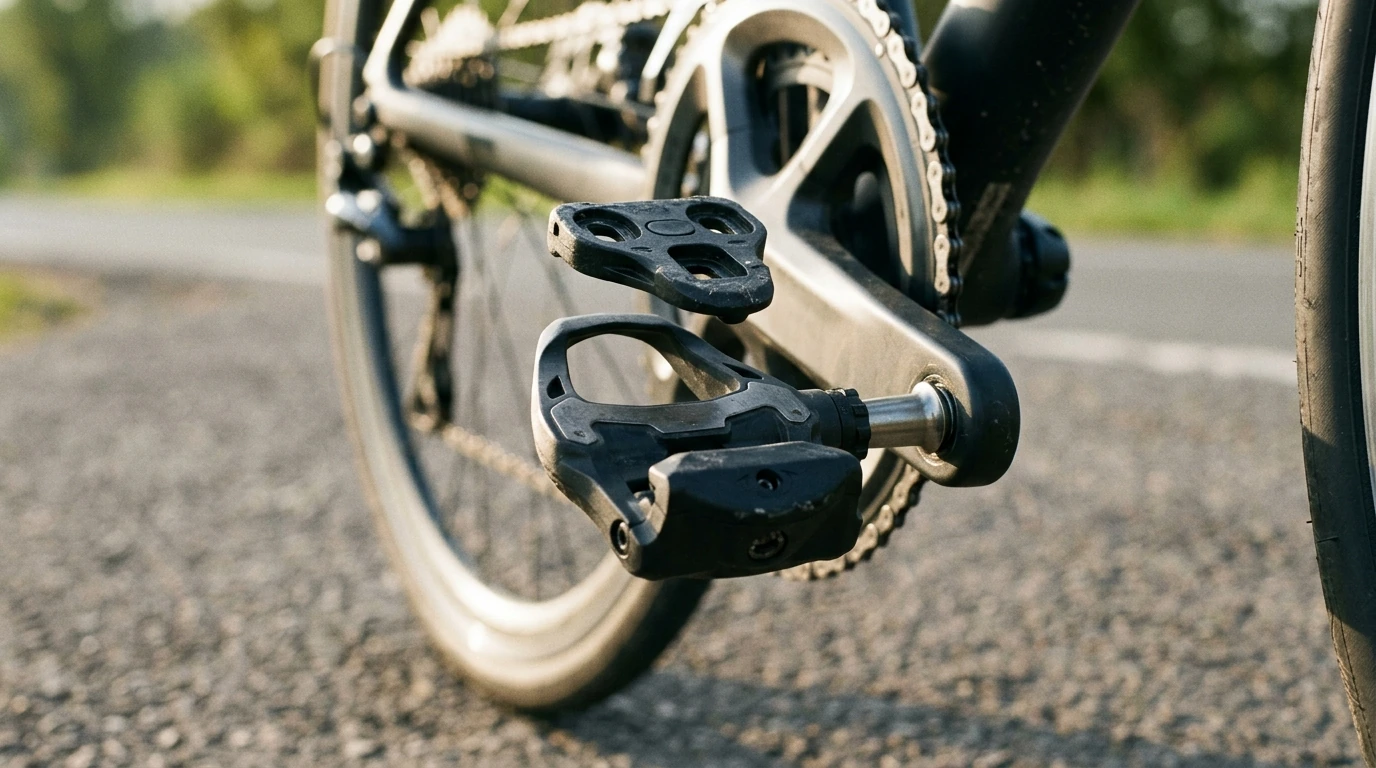
Lightweight Road Clipless Pedals with Look Compatibility
A lightweight road pedal that works with Look-style cleats can be a smart upgrade for riders who want a secure connection, efficient power transfer, and predictable entry/exit. The right setup depends on cleat type, float preference, tension range, and day-to-day durability—especially if the bike sees frequent rides, travel, or indoor training.
What “Look compatibility” means on the road
“Look-compatible” usually refers to modern Look Keo-style road cleats, which use the common 3-bolt road mounting pattern found on most road cycling shoes. It’s worth confirming the exact cleat family before buying replacements, because older Look Delta cleats are not the same shape and won’t interchange with Keo-style pedals.
- Most current road setups labeled “Look-style” are in the Keo family; Look Delta is a different interface.
- Confirm the pedal is designed for Look Keo-type cleats (3-bolt road pattern) before ordering replacement cleats.
- Shoes typically use the 3-bolt road standard; adapter plates exist, but a direct 3-bolt mount keeps things simple and stable.
- If you’re switching from a different road system, plan a fresh cleat install and a quick position check so your fit stays consistent.
Key benefits of a lighter road pedal
Weight savings at the pedal can make the bike feel a touch more responsive during repeated accelerations—think short climbs, corner exits, and pace changes in a group. That said, the bigger day-to-day “gain” usually comes from the quality of engagement and release: consistent retention, a stable platform underfoot, and a reliable unclipping motion when you need it.
- Reduced rotating mass can make accelerations feel slightly snappier during frequent surges and climbs.
- Lower weight often comes from simplified body design or different materials; the best options balance grams with bearing durability.
- Consistent engagement, stable platform feel, and reliable release typically matter more than small weight differences.
- Everyday-friendly lightweight pedals usually include sealed bearings and a body that resists scuffing from repeated clip-ins.
Float, stability, and knee comfort
Float is the amount of angular freedom your foot has while clipped in. Riders who are sensitive to knee tracking often prefer moderate float because it lets the foot self-align under load. A lower-float option can feel more “locked in” for sprinting, but it also demands more precise cleat alignment to avoid discomfort.
- More float can reduce joint stress for riders who notice knee irritation with a fixed feel.
- Lower-float cleats can feel very direct for hard efforts, but cleat angle matters more.
- A stable platform distributes pressure across the shoe sole, which can improve comfort on long rides.
- If you’re unsure, start with moderate float and fine-tune cleat angle and stance width if your pedal system supports spacers/washers.
Entry, release, and tension adjustment
A confident clip-in at the start of a ride (or after a stoplight) is a big part of why riders stick with a pedal system. Adjustable release tension is especially useful when you’re learning: start easier, then increase tension once the motion feels automatic and secure.
- Predictable click-in feedback builds confidence in traffic, at stops, and in fast group rides.
- Adjustable release tension helps match experience level—lighter for learning, higher for aggressive riding.
- Practice unclipping on both sides; being comfortable either way improves safety in awkward stops.
- If release feels inconsistent, inspect cleat wear, bolt tightness, and the cleanliness of the pedal’s spring mechanism.
Materials and bearings to look for
Road pedals typically balance low weight with stiffness and durability through their body material, spindle construction, and bearing choices. Composite and carbon-reinforced bodies can be light and resilient, while aluminum bodies can offer a crisp, solid feel with good impact resistance. Spindles are commonly chromoly steel for long-term durability, with premium options sometimes using titanium to reduce weight.
For general pedal installation and removal tips, Park Tool’s guidance is a helpful reference: https://www.parktool.com/blog/repair-help/pedal-installation-and-removal.
Setup checklist: cleats, torque, and alignment
If you want background on common road cleat standards (and how road systems differ), Shimano’s road pedal information provides useful context: https://bike.shimano.com/. For Look’s own system overview, see https://www.lookcycle.com/.
Quick comparison: choosing the right feel
| Priority | What to look for | Good for |
|---|---|---|
| Easy starts and stops | Lower-to-mid tension range, clear engagement feedback | New clipless riders, commuting, mixed-pace rides |
| Long-ride comfort | Stable platform feel, moderate float option | Endurance rides, riders prone to knee discomfort |
| Sprint stability | Secure retention at higher tension, low-float cleat option | Racing, hard group rides, powerful accelerations |
| Low maintenance | Sealed bearings, durable body surfaces, readily available cleats | All-weather riding, frequent training |
Products in stock
Lightweight Road Clipless Pedals with Look Compatibility
Cat Grooming by Breed: The Ultimate Guide to Caring for Your Cat’s Coat
How to Talk to Kids About Emotions – Practical Parenting Guide for How to Talk to Kids About Feelings, Emotional Intelligence, and Confident Communication
FAQ
Will Look Keo cleats work with any Look-compatible road pedal?
Most modern “Look-compatible” road pedals are Keo-style, but older Look Delta is a different shape and won’t swap in. Check the pedal’s stated cleat type and compare the cleat profile before buying replacements.
How tight should release tension be for a first-time clipless rider?
Start near the low end of the adjustment range, then practice repeated clip-in/out while supported (a wall, doorway, or trainer works well). Increase tension gradually until it feels secure without requiring excessive force to unclip.
How often should road cleats be replaced?
Replace cleats when entry becomes difficult, engagement feels sloppy, or release becomes unpredictable, especially if the contact edges look rounded or heavily worn. Frequent walking accelerates wear, and fresh cleats often restore a consistent, confidence-inspiring feel.









Leave a comment