Printable Pet Benefits Checklist for Seniors & Caregivers
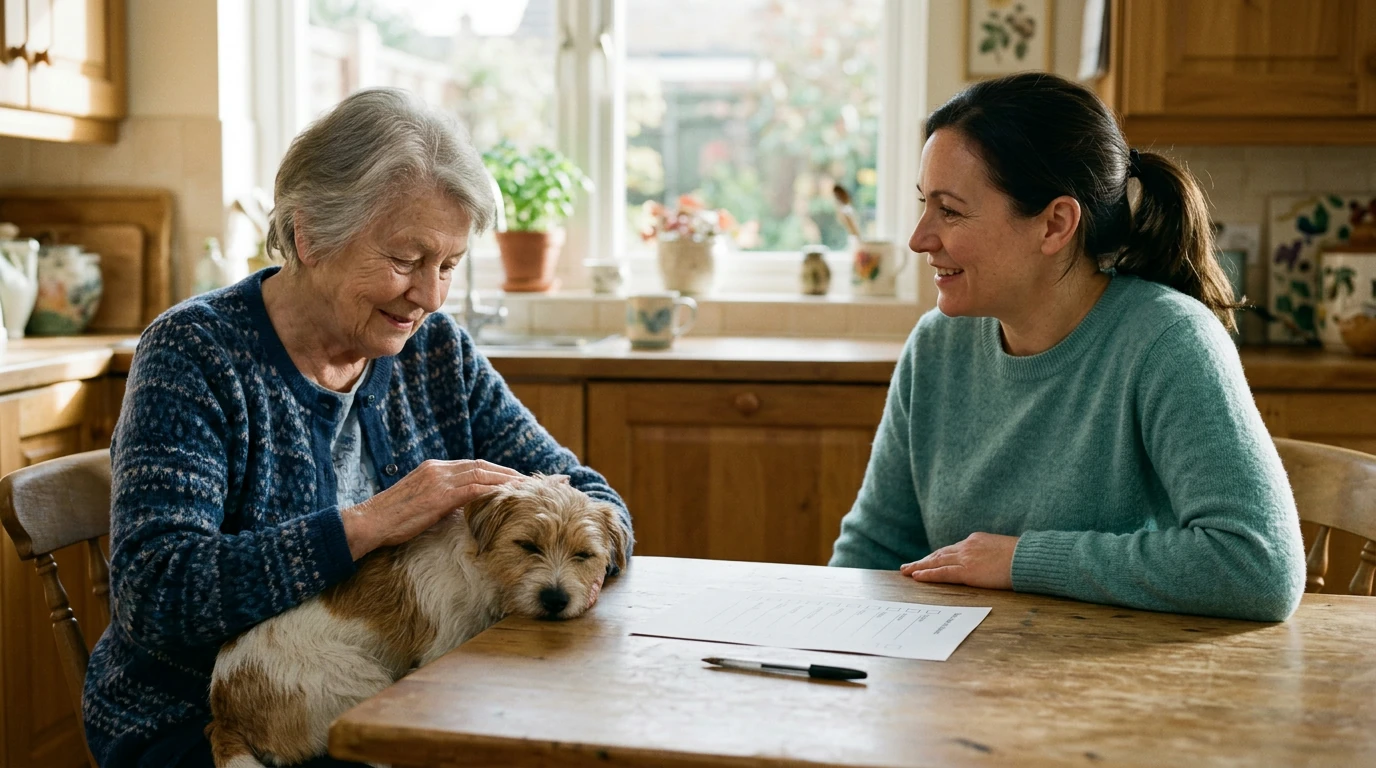
The Golden Years, Made Brighter—One Calm Checkmark at a Time
The best days often come from the simplest comforts: a warm presence nearby, a steady routine, and a reason to smile before the kettle boils. Pets can bring all of that—without requiring big, dramatic changes. Our printable checklist turns the feel-good benefits of pets for elderly people into an easy, supportive page that you can actually use—one gentle checkmark at a time.
What this printable checklist is (and how it’s meant to feel)
Our team created The Golden Years, Made Brighter – A Feel-Good Checklist on the Benefits of Pets for Elderly People | Printable Digital Download to be a one-stop, printable page that highlights everyday ways pets can support well-being in later life—companionship, routine, gentle movement, and mood boosts.
- Designed for gentle motivation: you scan the list, pick one or two “yes” moments, and celebrate progress rather than perfection.
- Works for seniors who already have a pet, seniors considering a pet, and caregivers who want a simple conversation starter.
- Use it as a fridge sheet, a binder insert, or a care plan add-on—anything that makes it easy to revisit.
The feel-good benefits the checklist helps you notice
Some pet benefits are big and obvious; others are quiet and easy to miss. This checklist is meant to help you notice the small, steady wins that add up over time.
- Companionship that reduces feelings of loneliness: a pet’s presence can make quiet moments feel less empty and more comforting.
- Daily rhythm and purpose: feeding times, light grooming, and simple play create structure that can support emotional well-being.
- More natural movement: even short walks, a few minutes of tossing a toy, or getting up to refresh water can encourage gentle activity.
- Stress relief through soothing touch and connection: petting and bonding moments can help calm the nervous system and soften anxious thoughts.
- Social connection made easier: pets spark conversation with neighbors, family, or staff in shared living settings—an easy “bridge” to human interaction.
- A sense of being needed: caring for another living being can strengthen confidence and bring meaning to the day.
For additional background from trusted organizations, you can review guidance from the National Institute on Aging and general safety tips from the CDC (Healthy Pets, Healthy People).
When the checklist is especially helpful (real-life moments)
- After a life transition: retirement, moving, bereavement, or changing health needs—times when routines and emotional anchors matter most.
- For adult children checking in: a practical tool to guide supportive conversations without sounding like an interrogation.
- For caregivers building routines: use checkmarks to highlight what’s working and what needs extra support (like scheduled walks or an easier feeding setup).
- For seniors considering a pet: the checklist can clarify which benefits matter most—and what responsibilities feel realistic.
A simple weekly routine using the checklist (low-pressure, high comfort)
If you want the checklist to feel doable, start small. Choose 2–3 items to focus on this week (for example: “I got outside,” “I laughed,” “I felt less alone”), then pair one benefit with one easy habit you can repeat.
- Keep it visible: the best checklist is the one that’s easy to see—on the fridge, next to a favorite chair, or inside a caregiving binder.
- Use it as a conversation starter: share one checkmark during calls or visits to celebrate wins and gently spot any gaps.
Quick weekly plan (printable-friendly)
| Day | Small pet moment | Benefit to check off |
|---|---|---|
| Monday | Refill water + 2 minutes of petting | Calm and comfort |
| Tuesday | Short walk or hallway stroll | Gentle movement |
| Wednesday | Brush, wipe paws, or tidy litter area | Routine and purpose |
| Thursday | Teach a simple cue or play a small game | Mental engagement |
| Friday | Chat with a neighbor about the pet | Social connection |
| Weekend | Photo + message to family/friends | Connection and joy |
Making pet care easier for seniors (supportive tweaks that matter)
Comfortable routines tend to last. If you’re supporting an older adult (or planning ahead for yourself), a few simple adjustments can reduce strain and make pet care feel steadier.
If cat care is part of your routine, our team also recommends keeping grooming predictable and breed-appropriate. You may like Cat Grooming by Breed: The Ultimate Guide to Caring for Your Cat’s Coat as a simple reference you can use alongside your weekly checklist habits.
A gentle note on choosing the right pet relationship
Download, print, and use it anywhere
This is a digital download—so you can print one copy for a single household, or print a few for caregiving binders and check-in folders. Use a pen, highlighter, or stickers—whatever makes it inviting and easy to return to. If you’re ready to start, you can pick up The Golden Years, Made Brighter today and make your first checkmark a gentle one.
FAQ
Who is this checklist for—seniors or caregivers?
It’s built for both. You can use it as daily encouragement, and caregivers or adult children can use it to guide supportive check-ins and keep routines steady.
Do you need to own a pet for the checklist to be useful?
No. You can track benefits from regular visits with family pets, fostering, pet-sitting, or safe animal-assisted activities in your community.
How do you print and use a digital download like this?
After purchase, download the file, print it at home or at a local print shop, and place it somewhere visible (like the fridge or a caregiving binder). If you want to reuse it, simply print extra copies as needed.











Leave a comment