Home Dog Grooming Tools Checklist for Calm Care
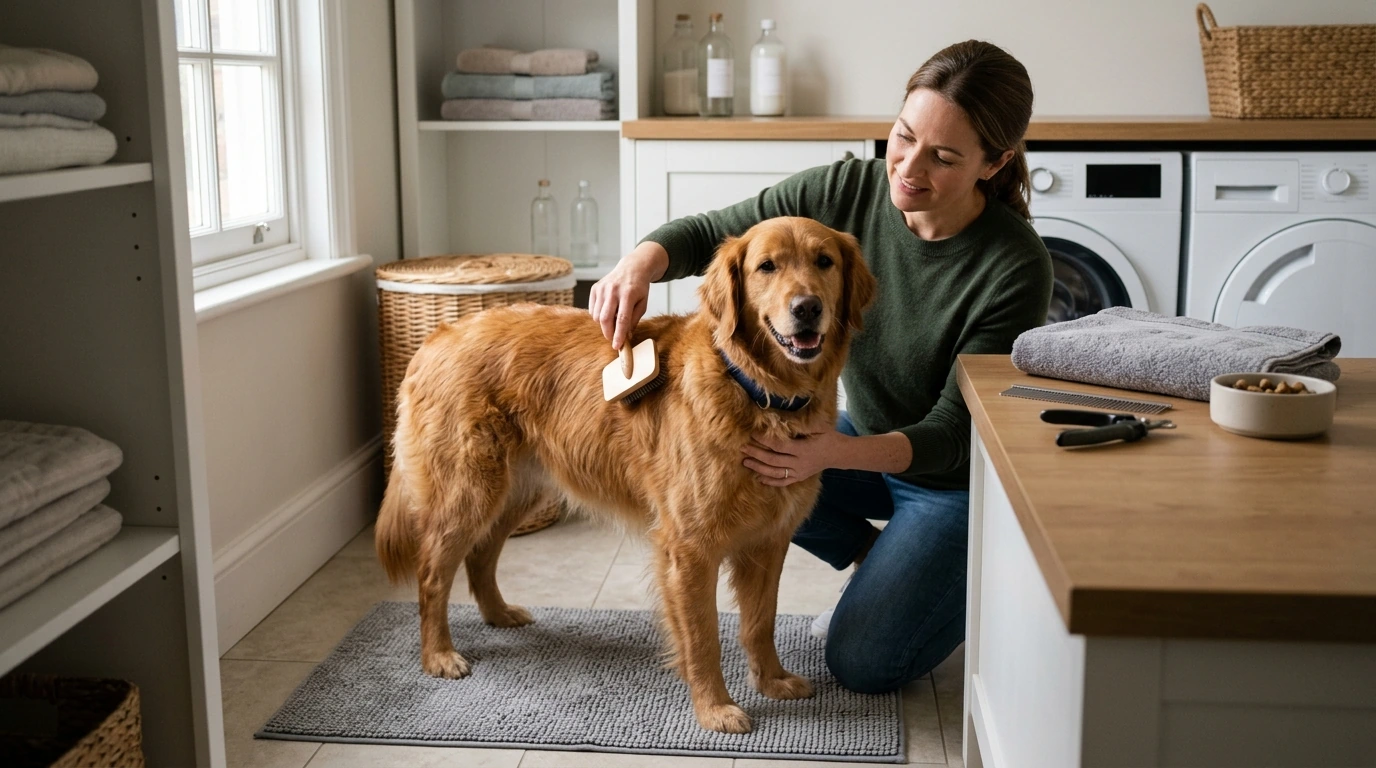
Pawfect Tools for Home Grooming: A Beginner’s Checklist for Stress-Free Dog Care
Home grooming can feel surprisingly peaceful when your supplies are ready, your space is secure, and your routine stays short and positive. With a few essential tools and a simple order of operations, most dogs learn to tolerate (and sometimes even enjoy) brushing, baths, nail trims, and quick hygiene checks. Below is a beginner-friendly setup for calmer sessions, plus a practical checklist you can keep on your phone or print for grooming day.
What “good” home grooming looks like
- Comfort first: Keep sessions short, offer frequent breaks, and use small rewards so grooming doesn’t become a wrestling match.
- Consistency over intensity: Five minutes of weekly maintenance prevents mats, odor buildup, and overgrown nails better than occasional marathon sessions.
- Safety basics: Use a stable surface, a slip-resistant mat, gentle restraint, and stop if stress escalates (freezing, hard staring, trembling, or frantic attempts to escape).
- Health check bonus: Grooming doubles as a weekly scan for lumps, parasites, skin irritation, sore paws, and tender spots.
- Knowing limits: Severe matting, painful skin, aggressive behavior, or signs of ear infection are reasons to call a professional groomer or your veterinarian.
For additional grooming safety guidance, see the American Kennel Club’s dog grooming resources and the ASPCA grooming tips.
Tool kit essentials (and what each one is for)
- Brushes by coat type: A slicker brush helps with tangles; a pin brush supports longer coats; a rubber curry works well for many short coats; deshedding tools can help heavy shedders but should be used sparingly.
- Comb for finishing: A metal greyhound comb confirms tangles are truly out and finds sneaky mats near friction zones (collar line, armpits, behind ears).
- Nail care options: Choose clippers (scissor or guillotine) or a grinder for gradual shaping. Keep styptic powder (or cornstarch in a pinch) nearby for minor nicks.
- Shampoo and conditioner: Stick to dog-specific formulas. Conditioner can reduce tangles and make combing easier for longer coats.
- Drying gear: Use an absorbent towel plus a low-heat drying option. Keep airflow moving and avoid concentrated heat on one spot.
- Ear and dental basics: Use a vet-approved ear cleaner and a dog toothbrush/toothpaste. Avoid cotton swabs deep in the ear canal.
- Optional helpers: Detangling spray, grooming wipes for quick cleanups, paw balm for dry pads, and a grooming loop for stability (gentle use only, never unattended).
Quick tool match by coat and routine
| Need | Best tool | How often | Beginner tip |
|---|---|---|---|
| Everyday brushing | Slicker or rubber curry | 2–5x per week | Start with 2–3 minutes and end on a win (treat + praise). |
| Tangle check | Metal comb | After brushing | If the comb snags, return to the brush and work in small sections. |
| Shedding control | Deshedding tool (as appropriate) | 1x per week max for many coats | Use light pressure; overuse can irritate skin. |
| Bath day | Dog shampoo + optional conditioner | Every 3–6 weeks (varies) | Rinse longer than expected; leftover soap can cause itchiness. |
| Nail maintenance | Grinder or clippers + styptic | Every 2–4 weeks | Trim tiny amounts frequently to encourage quick receding. |
| Ear hygiene | Vet-approved ear cleaner | As needed | Wipe only what is visible; stop if redness or pain appears. |
Set up a calm grooming space at home
A beginner-friendly routine: brush, bathe, dry, then detail work
Nails without the struggle
Ears, teeth, and skin: small habits with big payoffs
- Ears: Clean only when needed. Odor, redness, head shaking, or discharge can signal infection and needs veterinary care.
- Teeth: Daily brushing is ideal, but even 3–4 times per week helps. Use dog toothpaste only. For more, see the AVMA dental care guidance.
- Skin and coat: Watch for dandruff, hot spots, excessive scratching, or hair loss. If you change products, switch one at a time to identify triggers.
- Paws: Check for cracked pads, foxtails, and debris between toes—especially after walks and hikes.
Common mistakes to avoid
Downloadable checklist for your next grooming session
If you want a ready-to-use, one-page system for staying organized, the Pawfect Tools for Home Grooming digital checklist and guide includes a supply list, an easy step-by-step order, and a mini-tracker for baths, brushing, nail trims, and ear checks—plus a quick “stop and call a pro” safety list.
For multi-pet homes (or cat parents who want the same low-stress approach), Cat Grooming by Breed: coat care basics for cats is a helpful companion for understanding coat needs and routine maintenance across different cat coat types.
FAQ
How often should a dog be bathed at home?
Many dogs do well with baths every 3–6 weeks, but the right schedule depends on coat type, activity level, and skin sensitivity. Brushing between baths and rinsing thoroughly on bath day helps prevent odor and itchiness; dogs with skin conditions should follow a veterinarian’s guidance.
What are the must-have tools for a beginner doing dog grooming at home?
Start with a brush suited to your dog’s coat, a metal comb to confirm tangles are gone, dog-specific shampoo, towels and a low-heat drying option, a nail tool (clippers or grinder) plus styptic, and basics for ears and teeth (vet-approved ear cleaner and dog toothbrush/toothpaste). These cover comfort, cleanliness, and safety without overcomplicating your setup.
Is it safe to use a deshedding tool on any coat?
No—some coats aren’t suited to deshedding blades, and overuse can irritate skin or damage the coat. Use light pressure, limit frequency (often no more than weekly), and choose a tool designed for your dog’s coat; when unsure, ask a groomer or veterinarian for guidance.











Leave a comment