Eco-Soft Pocket Cloth Diaper: Fit, Wash & Leak Tips
Eco-Soft Reusable Pocket Cloth Diaper for Babies: Everyday Comfort, Simple Care, Less Waste
A reusable pocket cloth diaper can simplify daily changes while reducing disposable diaper waste. Eco-Soft Reusable Pocket Cloth Diaper for Babies is designed for a snug, adjustable fit and straightforward washing routines—making it practical for daytime, outings, and building a small rotation over time.
What a pocket cloth diaper is (and how it works)
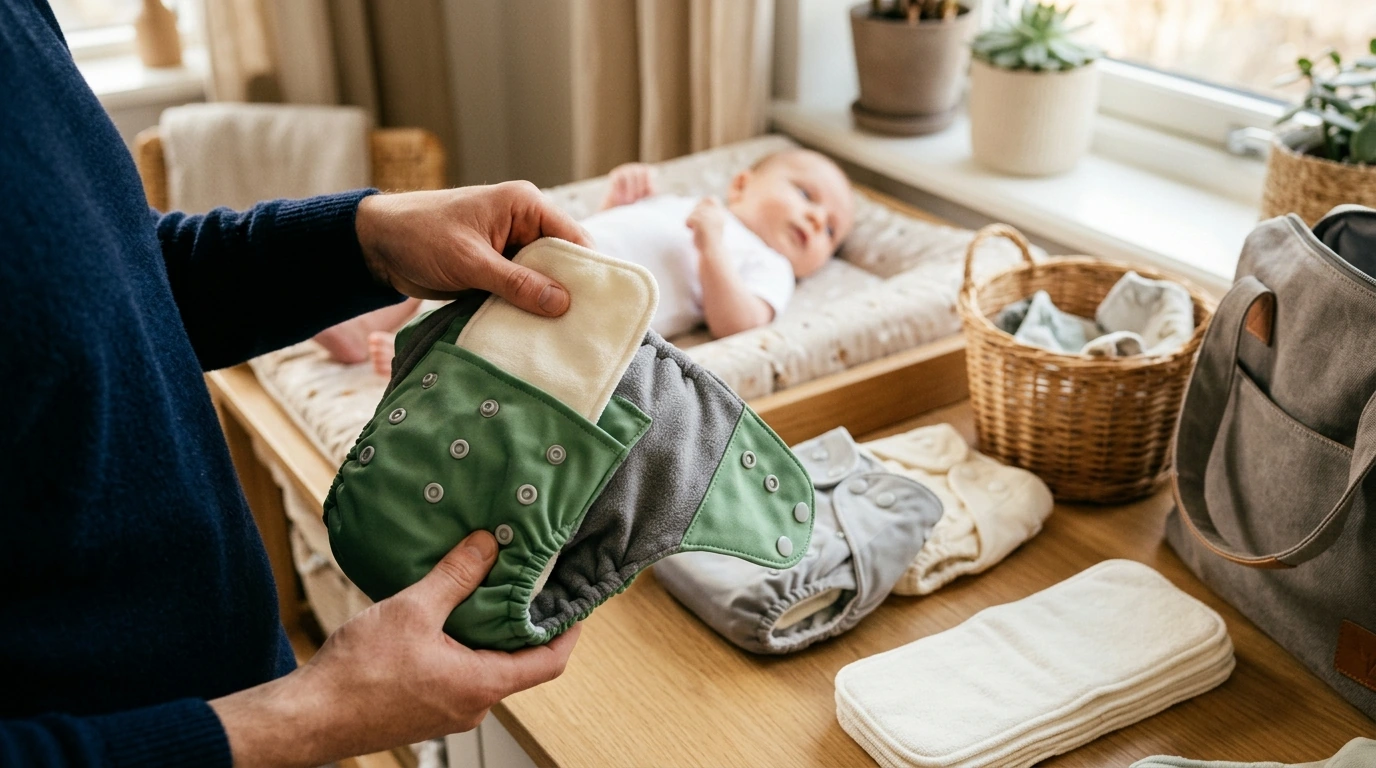
Pocket-style cloth diapers are built around a simple, flexible setup: an outer waterproof layer, an inner layer that sits against baby’s skin, and a pocket opening where you place an absorbent insert. Once the insert is inside, the diaper goes on in one piece—similar to a disposable—while still allowing you to customize how much absorbency you use.
- Two-layer system: A waterproof outer shell helps contain messes, while the inner layer helps keep moisture away from skin.
- Custom absorbency: Add or remove inserts based on time of day, nap length, or baby’s wetting patterns.
- Leak containment: Leg elastics and a secure waist closure are designed to reduce gaps and hold everything in place.
- Fast changes: Many caregivers like pocket diapers because you can pre-stuff inserts and treat them like grab-and-go diapers.
Why many families switch to reusable pocket diapers
Families often try cloth diapering for a mix of budget, convenience, and waste-reduction reasons. Reusable pocket diapers can be a comfortable middle ground: easy to put on, easy to adjust, and adaptable as baby grows.
- Lower long-term cost potential: Reuse can add up to savings over time (especially with multiple kids or extended diapering).
- Less household trash: Fewer single-use diapers headed to landfill aligns with “reduce, reuse” basics (see the EPA’s guidance: Reduce, Reuse, Recycle).
- Adjustable sizing: Rise and waist settings can help support a wider fit range as baby grows.
- Flexible absorbency: You can boost absorbency for naps, longer outings, or heavy wetters without changing diaper style.
- Comfort options: Many babies do well in breathable materials, though fit and change frequency still matter for skin health.
Eco-Soft Reusable Pocket Cloth Diaper for Babies at a glance
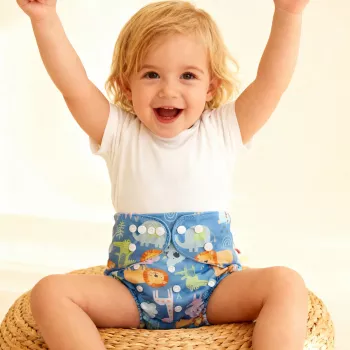
If you’re building a washable diaper routine piece by piece, a budget-friendly pocket diaper can be a practical way to start. The Eco-Soft option is designed to feel soft against baby’s skin, while still providing a barrier layer on the outside and a pocket system that supports flexible absorbency depending on the insert you use.
It can work well as a starter option when you want to try cloth diapering without committing to a large set right away—and it’s also handy as a spare for the diaper bag.
Quick overview
| Feature | What it means for daily use |
|---|---|
| Pocket design | Add inserts to adjust absorbency; prep diapers ahead for faster changes |
| Reusable build | Wash and reuse; reduces reliance on single-use diapers |
| Adjustable fit | Helps fine-tune around waist and legs as baby grows |
| Diaper-bag friendly | Pack pre-stuffed diapers; store used ones in a wet bag until wash time |
Fit and comfort: getting a leak-resistant seal
With pocket diapers, many “leaks” come down to tiny fit details. A few consistent checks can help you get a cleaner seal without over-tightening.
Absorbency basics: choosing inserts and stacking for day vs. night
Troubleshooting leaks
| Symptom | Likely cause | Simple fix |
|---|---|---|
| Leaks within 30–60 minutes | Not enough absorbency or insert not prepped | Add absorbency or prep inserts with several washes |
| Leaks around legs | Gaps or compression at thighs | Refit legs; reduce bulk; ensure elastics sit correctly |
| Leaks at tummy/waist | Front-heavy wetter or loose waist | Boost absorbency in front; snug waist; check rise setting |
| Ammonia smell | Wash routine issue or buildup | Improve wash cycle strength; ensure enough detergent and proper rinsing |
Washing and care routine that stays manageable
Planning a simple cloth diaper stash
If you’re juggling diaper changes with big-kid feelings at home, pairing practical routines with supportive communication can help. Consider adding How to Talk to Kids About Emotions to your parenting toolkit.
Safety and skin health notes
- Change frequency: Regular changes reduce rash risk, especially after poop and during flare-ups.
- Check for redness: Persistent marks can signal over-tightening or detergent residue.
- If rashes continue: Revisit wash strength, detergent dosing, and whether creams are affecting absorbency.
- When to seek help: For severe, persistent, blistering rashes—or signs of infection—consult your pediatrician. The American Academy of Pediatrics also offers a helpful overview: Diaper Rash.
Shop in-stock favorites
- Eco-Soft Reusable Pocket Cloth Diaper for Babies (USD 6.01)
- How to Talk to Kids About Emotions – Practical Parenting Guide (USD 12.99)
FAQ
How often should a pocket cloth diaper be changed?
Many babies do well with changes about every 2–3 hours during the day, but it varies by age and wetting patterns. Change sooner after poop and during any rash flare-ups to help protect skin.
Why does a pocket diaper leak even when it feels thick?
Leaks can come from fit issues (gaps at legs/waist), absorbency issues (not enough or not-prepped inserts), or compression leaks from overly tight clothing. Make sure inserts are fully tucked inside the waterproof layer and avoid overstuffing that prevents a proper seal.
Do pocket diapers need special detergent or a specific wash temperature?
Most standard detergents can work if the routine is strong enough and dosing matches your water hardness and load size. A warm or hot main wash is common, and it’s best to avoid fabric softeners because they can reduce absorbency.








Leave a comment