Macro Tracking Method: Protein Anchors & Weekly Adjustments
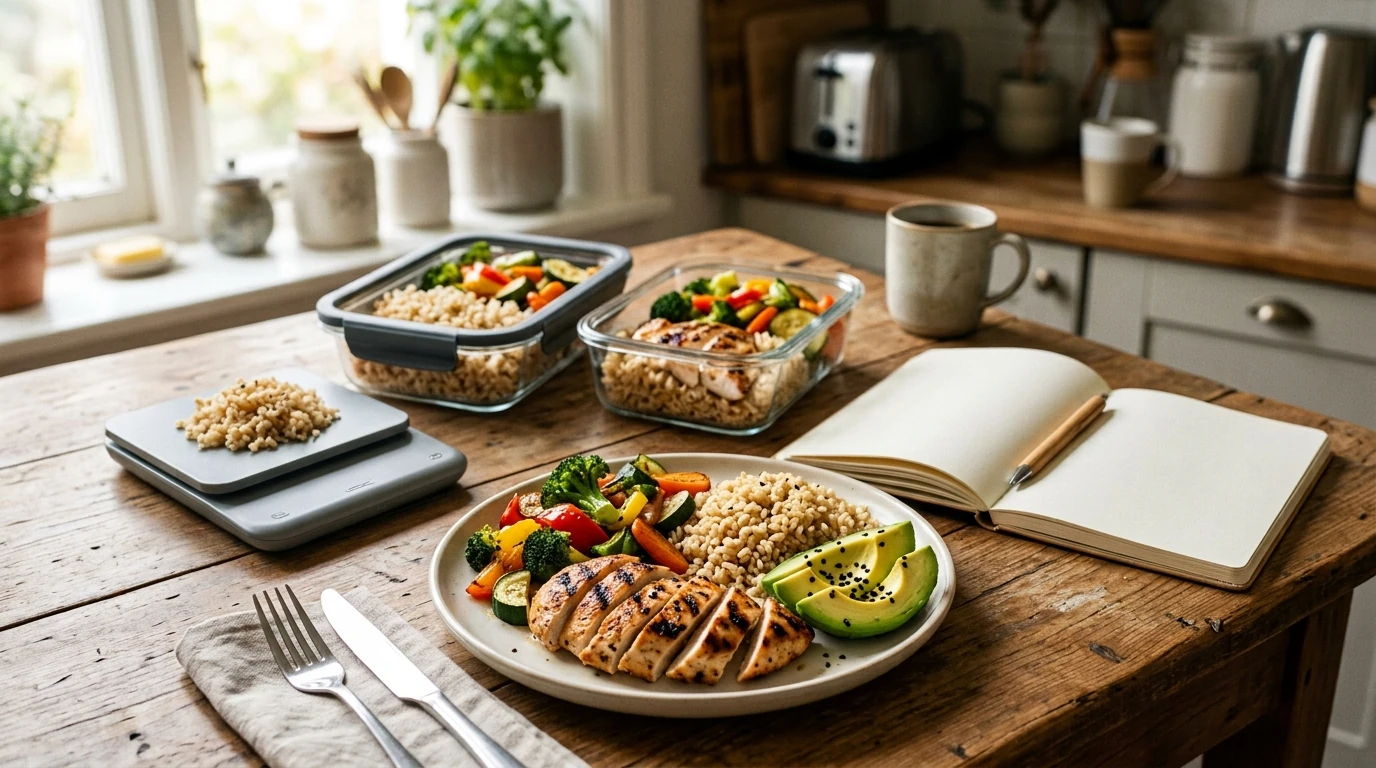
Macro Tracking Method: A Simple System for Hitting Protein, Carbs, and Fats Without Guesswork
Macro tracking works best when it feels like a clear routine, not a daily math test. Our Macro Tracking Method is built to help you set realistic targets, choose easy-to-repeat meals, and adjust with confidence—so progress comes from consistency, not perfection. If you’ve ever logged for a week, felt “off” one day, and scrapped the whole plan, this is your reset: simple structure, repeatable choices, and a weekly review that keeps you moving forward.
What “macro tracking” actually means (and what it doesn’t)
Macros are the three calorie-providing nutrients: protein, carbohydrates, and fats. Tracking them is simply a way to line up your food choices with a goal—fat loss, muscle gain, maintenance, or performance—using targets you can measure.
Macro tracking is not the same thing as “eating clean,” avoiding specific foods, or trying to hit exact numbers every single day. A practical target is a consistent weekly average and a repeatable daily structure—especially for protein, which tends to be the hardest macro to “catch up” on at night.
Macro basics at a glance
| Macro | Why it matters | Common food examples |
|---|---|---|
| Protein | Supports muscle repair, satiety, and body composition goals | Chicken, fish, Greek yogurt, tofu, beans |
| Carbs | Primary training fuel and daily energy | Rice, potatoes, oats, fruit, bread |
| Fats | Hormone function, absorption of fat-soluble vitamins, flavor/satiety | Olive oil, nuts, avocado, eggs |
Start with a goal and a tracking style you can maintain
Before you worry about perfect numbers, pick a primary outcome: fat loss, muscle gain, maintenance, or performance support. Then choose a tracking approach that fits your real schedule. If you can’t maintain it on your busiest weeks, it won’t be reliable enough to guide adjustments.
Tracking styles (from strict to flexible)
| Style | Best for | How it works |
|---|---|---|
| Full logging | Data lovers, rapid course-correction | Weigh/measure most foods and log daily |
| Macro ranges | Busy schedules, long-term adherence | Aim for targets within a range (e.g., ±10%) |
| Template meals | People who repeat meals and want simplicity | Use a set of meals that reliably hit macros with minimal logging |
Also decide how many meals per day are realistic for you. A consistent meal schedule cuts decision fatigue, and it makes macro budgeting feel automatic instead of random.
The Macro Tracking Method: the repeatable 5-step routine
This is the system our team uses when you want tracking to feel steady and predictable, not fragile.
Step 1 — Set targets
Establish calories and macro goals that match your current phase (cut, maintain, build). Your targets are a planning tool, not a morality scorecard.
Step 2 — Build a protein anchor
Create 2–4 go-to protein choices (and portion sizes) that make daily protein easy. When protein is automatic, the rest gets simpler fast.
Step 3 — Budget carbs and fats
Allocate carbs around training and daily energy needs; keep fats consistent for satiety and enjoyment. This prevents fats from “silently” climbing through cooking oils, dressings, and bites/tastes.
Step 4 — Choose “default meals”
Keep a short list of breakfasts, lunches, dinners, and snacks that fit your macros reliably. Repetition isn’t boring—it’s the shortcut that reduces logging time and improves accuracy.
Step 5 — Review and adjust (weekly)
Weekly review checklist
| Signal | What it may mean | Possible adjustment |
|---|---|---|
| Weight trend flat for 2–3 weeks (fat loss goal) | Intake may be too high or tracking too loose | Tighten portions/logging, or reduce calories slightly |
| Strength dropping, low energy | Too aggressive deficit or low carbs | Increase calories slightly or add carbs around training |
| Hunger high most days | Meal structure may be low in protein/fiber/volume | Increase protein/veg volume; spread carbs; add planned snacks |
| Inconsistent weekends | Weekly average is drifting | Pre-log weekends, use macro ranges, or create a “weekend template” |
Tools that make tracking easier (without turning meals into homework)
If you want a ready-made system you can follow immediately, our team put the full routine into Macro Tracking Method.
A simple mix-and-match meal builder
| Choose 1 protein | Choose 1 carb | Choose 1 fat | Add volume |
|---|---|---|---|
| Lean meat, eggs, Greek yogurt, tofu | Rice, potatoes, oats, fruit, bread | Olive oil, nuts, avocado, cheese | Salad, vegetables, berries, broth-based soups |
A sample day structure (example only)
| Meal | Protein anchor | Carb choice | Fat choice | Notes |
|---|---|---|---|---|
| Breakfast | Greek yogurt or eggs | Oats or fruit | Nut butter or whole eggs | Easy to repeat; sets the tone for protein |
| Lunch | Chicken/tofu bowl | Rice/potatoes | Olive oil/avocado | Add vegetables for volume |
| Snack | Protein shake/cottage cheese | Fruit/crackers | Nuts/cheese (optional) | Use to close protein gaps |
| Dinner | Fish/lean beef/beans | Pasta/bread | Sauce/cheese portion | Keep fats measured if progress stalls |
Common macro-tracking mistakes that stall progress
Make it sustainable: the minimum effective tracking plan
Helpful references (optional, but solid)
For reliable nutrition data and general guidance, you can use USDA FoodData Central, the NIH overview on dietary fats, and the Academy of Nutrition and Dietetics resources.
More digital guides from our team
- Macro Tracking Method
- How to Talk to Kids About Emotions
- A Friendly Guide to Kids Eating the Same Food Every Day
FAQ
Do macros need to be exact every day?
No—daily variance is normal, and what matters most is your weekly consistency. If you keep protein steady most days and stay reasonably close on calories/macros, your average will do the heavy lifting.
What’s the easiest macro tracking method for beginners?
Start protein-first and use a handful of template meals you can repeat. You’ll learn portions quickly, logging takes less time, and you’ll know exactly which meal to adjust when progress slows.
How long should a macro phase last before adjusting?
Give it 2–3 weeks of consistent logging before you change targets. Use trend weight, measurements, hunger, and training performance to decide whether to adjust portions, calories, or carb placement.











Leave a comment