Better Sleep for Men: 5-Step Routine That Works
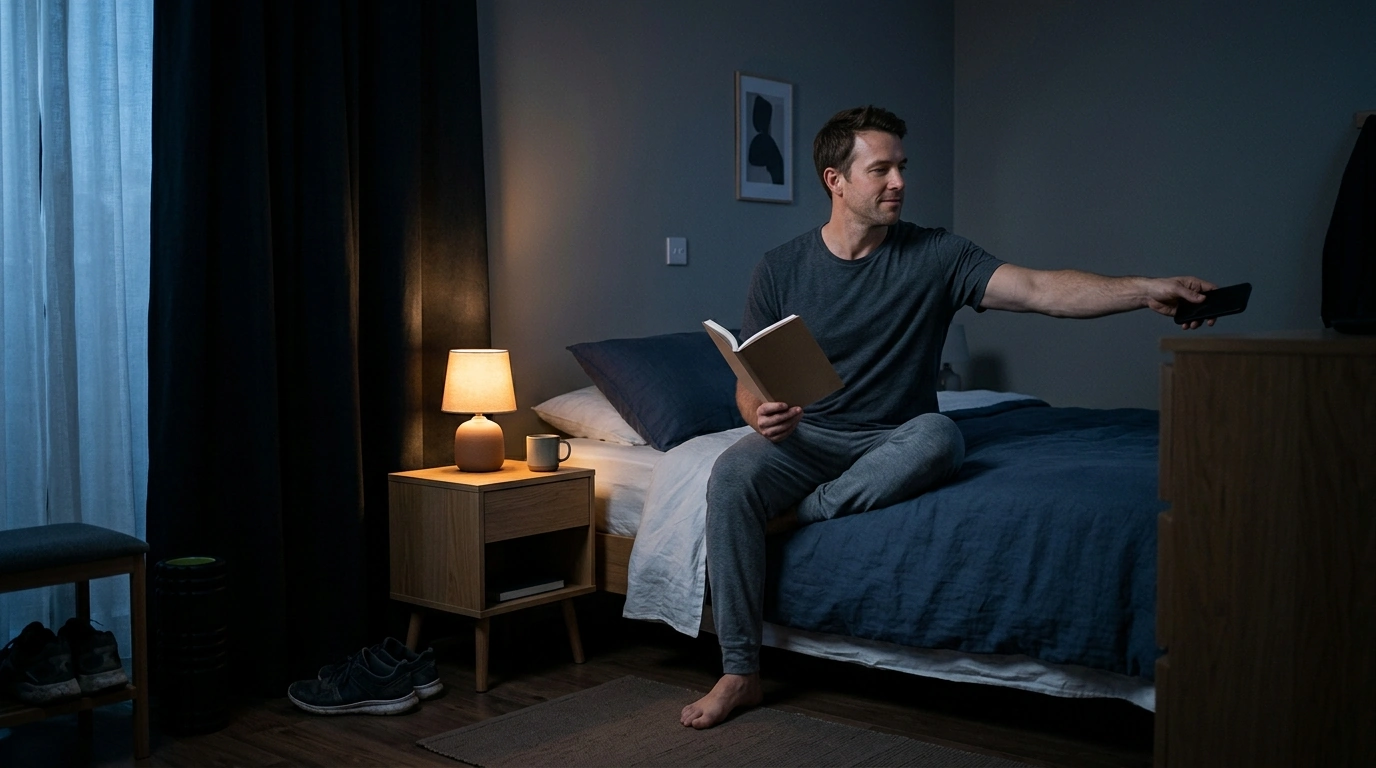
Why sleep can be harder for men (and what tends to help most)
Better sleep often isn’t about finding a perfect hack—it’s about removing the predictable things that keep your nervous system “on” at night. For a lot of men, the usual culprits are late-night screen time, heavy evening meals, alcohol close to bed, and a schedule that shifts between weekdays and weekends. Each one can reduce sleep depth, increase wake-ups, and leave you feeling like you slept “light” even if you got enough hours. For more guidance, see Sleep tips: 6 steps to better sleep – Mayo Clinic.
Stress is another big factor. A high workload, family demands, or constant mental load can translate into nighttime alertness—waking early and not being able to get back to sleep, or feeling tired but wired when you finally hit the pillow. For further reading, see How To Get Better Sleep: 12 Tips – Cleveland Clinic Health Essentials.
Training helps overall sleep and recovery, but timing matters. Late intense sessions, late caffeine, and a weekend sleep-in can nudge your body clock later, making it harder to fall asleep when Monday arrives. The most reliable improvements typically come from a steady wake time, getting outdoor morning light, and following a simple pre-sleep routine that repeats night after night.
The Better Sleep Method: the 5-part routine
1) Anchor a fixed wake time (every day)
Pick a wake time you can realistically keep 7 days a week. That wake time is your “anchor.” If bedtime is too late, shift it earlier gradually—about 15–30 minutes earlier every few nights—rather than trying to force a dramatic change overnight.
2) Get outdoor morning light within the first hour
Spend 10–20 minutes outside soon after waking (a walk, coffee on the porch, or commuting without sunglasses when safe). Morning light strengthens circadian rhythm and helps the body build sleep pressure so you feel naturally sleepier at night.
3) Cut caffeine 8–10 hours before bed
For many men, afternoon caffeine is the quiet reason sleep feels shallow. A practical rule is to stop caffeine 8–10 hours before bedtime (earlier if you’re sensitive). Keep your caffeine timing consistent day to day so your body isn’t guessing.
4) Build a 45–60 minute wind-down that you can repeat
Think of wind-down as a short “landing sequence.” Dim lights, reduce stimulation, and follow the same order most nights: hygiene, a few minutes of stretching, a calm activity (paper book or e-ink), and a simple breathing drill to lower arousal.
5) Optimize the room and reinforce the bed-sleep link
Cool, dark, and quiet wins. Keep the bedroom temperature on the cooler side, reduce light leak, and minimize noise (or use consistent white noise). Also, keep the bed for sleep and sex—working or scrolling in bed trains your brain to associate the mattress with wakefulness.
For a ready-to-follow routine with checklists and step-by-step structure, consider The Better Sleep Method for Men.
A simple nightly schedule (example you can copy)
The key is the spacing, not the exact times. Move the whole schedule earlier or later while keeping the same gaps between steps. Even after a rough night, aim for the same wake time; if needed, take a short nap (15–20 minutes) and keep it earlier in the afternoon. If you’re not sleepy at bedtime, keep lights low and do a calm activity until drowsy instead of staring at the ceiling.
| Time | Action | Why it helps |
|---|---|---|
| 7:00 pm | Finish last large meal; keep portions moderate | Reduces reflux, heat load, and nighttime awakenings |
| 8:00 pm | Last caffeine (earlier is better for many) | Prevents stimulant-driven light sleep |
| 9:30 pm | Dim lights; switch to low-stimulation activities | Supports natural melatonin timing |
| 10:00 pm | Warm shower; set bedroom cool and dark | Warm-to-cool body temp drop promotes sleep onset |
| 10:15 pm | Light stretch + 5 minutes slow breathing | Downshifts stress response and muscle tension |
| 10:30 pm | Read paper book or e-ink; no doomscrolling | Reduces cognitive arousal |
| 11:00 pm | Lights out; phone out of reach | Fewer disruptions and stronger sleep association |
Training, recovery, and sleep: what to tweak
Stress and “busy brain” fixes that work at 2:00 am
Common mistakes that quietly ruin sleep quality
Putting it together: a guided plan you can follow
If you want the routine laid out step-by-step with a clear structure, The Better Sleep Method for Men is a practical, low-friction guide you can follow without overthinking.
Recommended reads (in stock)
- The Better Sleep Method for Men ($9.99) — a simple routine built around timing, light, wind-down, and environment.
- How to Talk to Kids About Emotions ($12.99) — helpful for dads trying to reduce household stress and improve evening calm.
FAQ
How many hours of sleep do men need?
Most adults do best with 7–9 hours per night, but consistency and sleep quality matter as much as the number. Adjust bedtime gradually and track daytime alertness, mood, and workout recovery to find your best range.
Why do I wake up at 3–4 am and can’t fall back asleep?
Common triggers include stress, alcohol, a too-warm room, and inconsistent sleep timing that shifts your body clock. If you’re awake for about 20 minutes, get out of bed for a quiet low-light activity and return only when sleepy—avoid clock-watching.
Does taking magnesium or melatonin help men sleep better?
They can help some people, but they’re not substitutes for steady timing, morning light, a wind-down routine, and a good sleep environment. Melatonin is typically more useful for shifting circadian timing, and it’s best to use cautious dosing and seek medical guidance when appropriate.












Leave a comment