Women’s Fitted Sports Jacket Guide: Fit, Fabric, Features
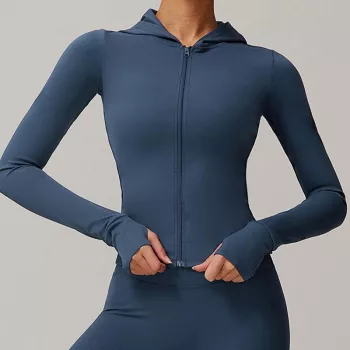
Women’s Fitted Sports Jacket: Streamlined Comfort for Training and Beyond
A fitted sports jacket is built to move with the body while keeping warmth and coverage where it matters. The right one balances stretch, breathability, and a secure feel—useful for brisk walks, warmups, studio sessions, and everyday errands when a bulky layer feels like too much. When the fit and fabric work together, a fitted jacket becomes the “leave it by the door” layer you reach for again and again.
What a fitted sports jacket does well
- Hugs the body to reduce fabric flap and distraction during movement
- Layers easily under a vest or coat without bunching
- Adds light warmth for cool starts, outdoor training, and post-workout transitions
- Creates a clean silhouette that works for athleisure outfits as well as workouts
Compared with roomier outer layers, a fitted sports jacket is often the sweet spot for “in-between” temperatures and transitional moments—walking from the car to the studio, stepping out for a quick lap around the neighborhood, or cooling down after a session while still staying covered.
Fit checkpoints that make a difference
A fitted jacket should feel secure, not restrictive. Use these checkpoints to make sure it performs as well as it looks.
- Shoulders: Seams should sit near the shoulder edge for full arm mobility.
- Sleeves: Long enough for reach; consider thumbholes if hands get cold.
- Torso: Snug but not restrictive; fabric should stretch without pulling at the zipper.
- Hem: Stays put when lifting arms; a slightly longer back hem can help coverage.
- Collar/neck: Comfortable zipped up; avoids rubbing during runs or rowing.
A quick at-home test: zip it up, take a deep inhale, then do slow arm circles. If the jacket rides up aggressively, pinches at the front of the shoulders, or feels “stuck” across the upper back, sizing or patterning may not be right for your movement.
Materials and performance features to look for
- Stretch blend (often polyester/spandex): Supports a fitted shape and freedom of movement.
- Breathability: Helps manage heat during higher-intensity sessions.
- Moisture management: Quicker drying is helpful for commutes and multi-activity days.
- Zipper quality: Smooth pull and sturdy stitching reduce snagging.
- Pockets: Secure zip pockets for keys/cards; side pockets for quick access.
- Seam placement: Flatter seams can feel better during repetitive motion.
If you’re building a more versatile activewear setup, think of a fitted sports jacket as a “connector piece.” It bridges seasons and settings—especially when paired with breathable base layers and adjusted to your activity level. For general movement recommendations and weekly activity ideas, the CDC’s guidance can be a helpful reference: CDC: Physical Activity Basics.
Quick guide: matching jacket features to activities
Different workouts create different friction points—literally. Use this cheat sheet to match features to what you actually do most often.
| Activity | Best features | Why it helps |
|---|---|---|
| Cool-weather walk | High collar, thumbholes, zip pockets | Comfort and warmth without bulky layering |
| Running warmup | Breathable stretch, secure hem | Moves with arms and stays in place |
| Strength training | Four-way stretch, smooth seams | Reduced restriction and chafe during lifts |
| Everyday wear | Clean fit, practical pockets | Easy styling and carry essentials |
For outdoor walking/jogging, prioritize a higher collar, secure pockets, and a stay-put hem. For gym training, aim for stretch and a close fit that won’t catch on equipment. For yoga or Pilates, a soft hand-feel and smooth seams matter more than extra structure, especially during floor work. For travel and errands, wrinkle resistance, pockets, and easy layering are the biggest day-savers.
Spotlight: Women’s Fitted Sports Jacket
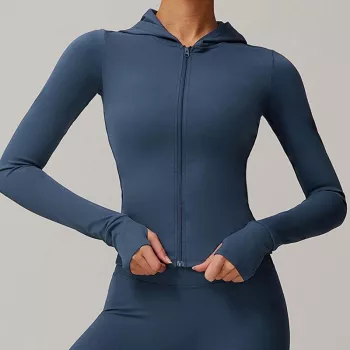
If you want a streamlined layer that transitions easily from workouts to daily wear, the Women’s Fitted Sports Jacket is designed for a close-to-body feel without the bulk of heavier outerwear. It works well for warmups, light outdoor activity, and as a sleek mid-layer under a vest or coat when temperatures drop.
- A streamlined fitted layer designed for active movement and easy everyday wear
- Works well for warmups, light outdoor activity, and as a sleek mid-layer
- Budget-friendly option for building an activewear rotation
- Check the product page for current details, images, and availability
More in-stock picks to round out your routine
Comfortable gear supports consistency, but so does having practical resources for the rest of life. If you’re stocking up beyond apparel, these in-stock digital guides can be easy add-ons for downtime, travel days, or home organization.
- How to Talk to Kids About Emotions – Practical Parenting Guide
- Cat Grooming by Breed: The Ultimate Guide to Caring for Your Cat’s Coat
Sizing and styling tips for a polished fitted look
- For training: Choose a size that feels snug at the waist and wrists without limiting deep breaths.
- For layering: Consider a slightly roomier fit if wearing over thicker tops.
- Pairings: High-rise leggings, tapered joggers, or a tennis skirt balance the fitted shape.
- Color coordination: Match with tonal sets for a sleek look or contrast for a sporty edge.
Care and longevity
Care labels are there for a reason, especially with stretch blends where heat and abrasion can shorten the life of the fabric. For background on how apparel care instructions are regulated, see: FTC: Care Labeling Rule.
FAQ
Should a fitted sports jacket feel tight?
It should feel secure and close to the body without pinching at the shoulders or pulling across the chest when zipped. Full arm circles and a deep inhale should be comfortable.
Can a fitted sports jacket be worn as a top layer in cool weather?
Yes for mild to cool conditions, especially during warmups or brisk walks. For wind, rain, or colder temperatures, layer it under a shell or insulated coat.
How do thumbholes help in a fitted jacket?
They keep sleeves from riding up during movement and add a bit of hand coverage in cooler air; they’re especially useful for running, walking, and commuting.








Leave a comment