Vet Visit Routine: Prep, Questions, and Follow-Up Log
Vet Visits Made Simple: A Calm, Repeatable Routine for Every Appointment
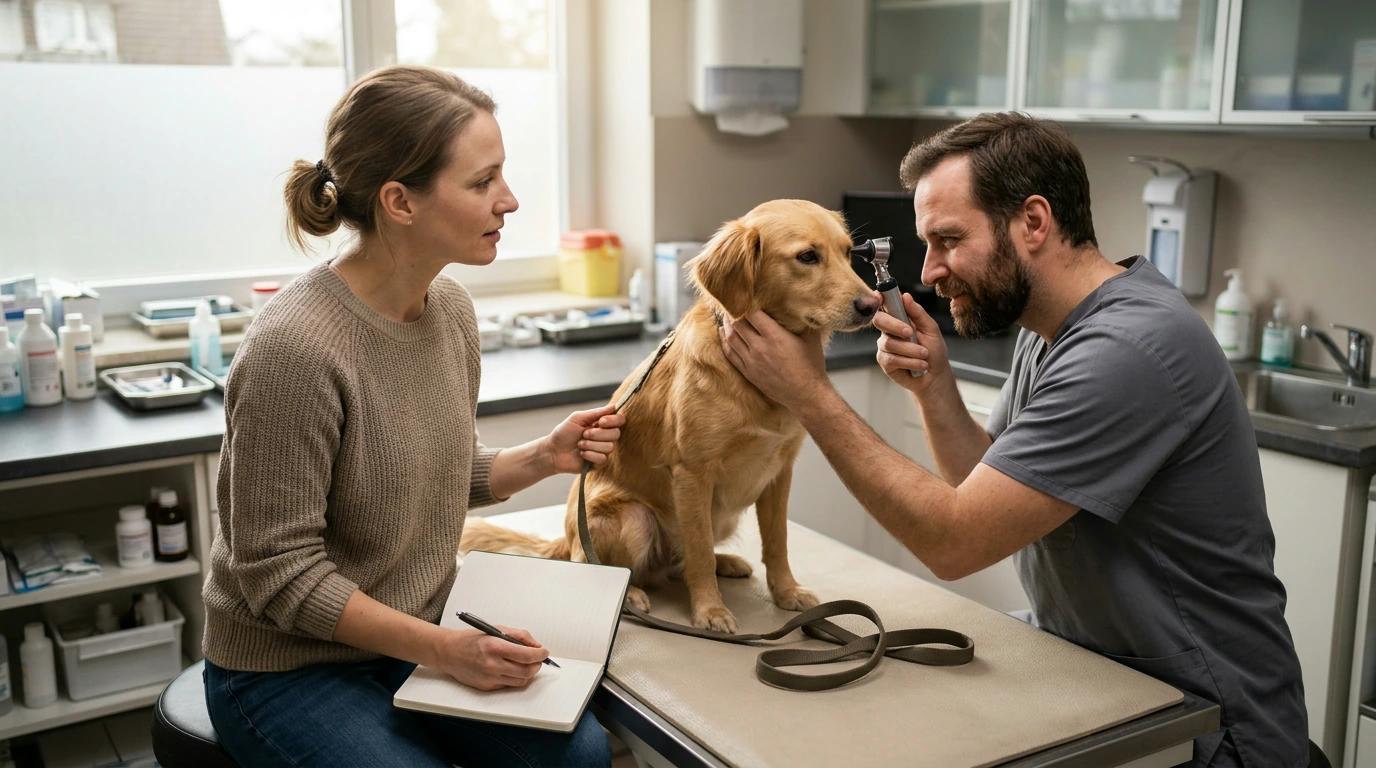
Vet days tend to go smoother when you use the same simple system every time: gather the right details, arrive with a plan, ask clear questions, and leave with organized next steps. Our team put this routine together to reduce stress for you and your pet—while also making future appointments easier because you’ll have a clean record of what happened and why.
Start with a simple goal for the visit
Before you ever load the car, set a clear target. This keeps the appointment focused (especially when you’re worried or your pet is anxious).
- Write the main reason in one sentence. Example: “Itching for 3 weeks with new red spots.”
- Pick the top 3 outcomes you need before leaving. Example: likely causes, treatment plan, and when to follow up.
- Define what “success today” means. Comfort, pain control, anxiety reduction, or a clear monitoring plan all count.
Gather the details the vet will ask for (and bring them in one place)
Most delays and repeat questions happen because key details are scattered across texts, memory, and old paperwork. Bring everything together in one note on your phone or a printed page.
- Symptoms timeline: when it started, what changed, what helps, what worsens it.
- Food + meds list: food, treats, supplements, and all medications with dose and frequency (include flea/tick and heartworm prevention).
- Recent changes: boarding, travel, grooming, stressors, diet changes, new pets, cleaners, plants, new litter, etc.
- Photos/videos: coughing, limping, seizures, itching episodes—anything that might not happen in the exam room.
- Prior records (new clinic): vaccines, labs, imaging notes, diagnoses.
Quick pre-visit checklist (print or copy into notes)
| Category | What to bring | Why it matters |
|---|---|---|
| Symptoms | Timeline + photos/videos | Helps the vet see patterns and severity |
| Medications | Names, doses, schedules | Prevents interactions and dosing errors |
| Preventives | Flea/tick + heartworm dates | Guides testing and recommendations |
| Diet | Brand/flavor + amount/day | Supports weight, allergy, and GI assessments |
| History | Past records or summaries | Avoids repeating tests and missed context |
Set up your pet for a less stressful trip
Small prep steps at home can make the clinic feel less intense—especially for cats, senior pets, and anyone who’s had a scary visit before.
- Carrier and car practice: keep the carrier out with a cozy blanket; do short, positive car rides when possible.
- Fasting and meds: follow the clinic’s instructions; if unsure, call ahead before withholding food or medication.
- Leash, harness, and ID: confirm tags and microchip details; bring a backup leash for dogs and a secure carrier for cats.
- Anxiety plan: ask about fear-free handling and whether pre-visit calming strategies or medication are appropriate.
At check-in: share the most useful information first
Front-load the appointment with the information that helps the team triage quickly.
- Lead with your one-sentence reason, then the timeline.
- Mention handling or safety concerns early: fear, reactivity, muzzle needs, bite risk, pain sensitivity.
- Confirm the best contact method during the visit (text/call) for approvals on tests or estimates.
- Ask about wait options: if it reduces stress, some clinics allow you to wait in the car until the room is ready.
During the exam: questions that keep decisions clear
When you’re in the room, it’s easy to forget what you meant to ask. These prompts keep the conversation practical and decision-focused.
- Ask for the problem list: “What are the main concerns you’re seeing today?”
- Clarify the plan: “What are the top causes you’re considering, and how do we rule them in or out?”
- Discuss options by priority: essential first, then “nice-to-have” if appropriate.
- Request monitoring instructions: what to watch, how long to wait, what’s urgent.
- Confirm medication details: exact dose, timing, with/without food, and common side effects.
For general pet health guidance between visits, authoritative resources like the AVMA Pet Care library and AAHA pet owner resources can help you build good baseline habits.
Before leaving: lock in next steps (so nothing gets lost later)
- Repeat back the plan in your own words: summary, treatments started, what improvement should look like.
- Get written instructions and an itemized receipt/estimate; request copies of lab results when available.
- Schedule follow-up before you leave when possible (rechecks, chronic issues, med monitoring).
- Ask how to send updates (portal/email/phone) and what hours are fastest for responses.
Tracking after the visit: turn one appointment into a better next appointment
A ready-to-use companion: keep every appointment organized from start to finish
For additional everyday care tips and safety guidance, the ASPCA Pet Care hub is another reliable place to learn.
FAQ
What should be brought to a vet appointment to avoid delays?
Bring a symptom timeline, a complete medication/supplement list with doses and schedules, prevention dates (flea/tick and heartworm), diet details, and any records if it’s a new clinic. If symptoms come and go, short videos or photos can prevent guesswork.
How can a pet owner reduce stress for a cat or dog during vet visits?
Use carrier conditioning and calm, brief car rides when possible, and ask whether you can wait in the car until a room is ready. Let the clinic know about fear or handling concerns in advance and ask about fear-free handling and pre-visit calming strategies or medication when appropriate.
What is the best way to track vet instructions and follow-ups?
Use a single log system that captures the date, reason for the visit, findings, tests, medications with dosing, what to monitor at home, and the next follow-up date. Add reminders for rechecks, refills, and preventative due dates so nothing slips through the cracks.










Leave a comment