Mess-Free Cat Litter Scoop with Built-In Waste Bin
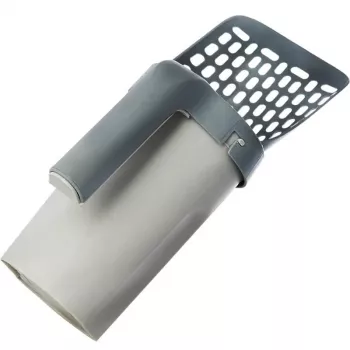
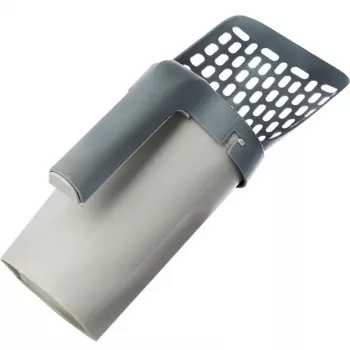
Self-Cleaning Cat Litter Scoop with Waste Bin for Easy, Mess-Free Cleaning
Daily litter box maintenance can be quick and low-mess when the scoop and disposal system work as one. A self-cleaning scoop with an attached waste bin helps contain clumps, reduce drips on the floor, and cut down on trips to the trash—especially useful for multi-cat homes, small apartments, and anyone who wants a faster routine.
Why a scoop with a built-in waste bin changes the routine
A traditional scoop works, but the “walk to the trash can” part is where most mess and frustration happens. A scoop with a built-in waste bin keeps everything contained from the moment you lift waste out of the litter.
- Keeps clumps contained immediately after lifting them out of the litter, reducing chances of dropping waste on the way to a trash can.
- Speeds up daily cleaning by combining scooping and temporary storage in one tool.
- Helps minimize odors by limiting how long waste is exposed to open air during cleanup.
- Reduces the need for extra accessories (plastic bags, secondary containers, or a separate bin nearby).
- Supports a more consistent cleanup habit—shorter, easier sessions are more likely to happen every day.
How the self-cleaning mechanism works (simple, practical workflow)
The best part of a self-cleaning scoop-and-bin setup is that it keeps your hands away from the waste and your floors away from drips. The routine stays familiar—just more contained.
- Scoop clumps as usual, then use the integrated mechanism to release waste directly into the attached bin without touching it.
- Keep the scoop close to the litter surface to reduce crumbling and tracking.
- Empty the waste bin into a trash bag at the end of the session (or after each box in a multi-box setup).
- Quickly wipe or rinse contact areas as needed to keep the mechanism moving smoothly and reduce buildup.
- Pair with a small deodorizing routine (box-safe deodorizer or frequent bin emptying) to keep smells down between full litter changes.
Common cleanup methods compared
| Method | Mess control | Speed | Odor control | Best for |
|---|---|---|---|---|
| Standard scoop + walk to trash | Medium (drips possible) | Medium | Low–Medium | Occasional cleanup, single box |
| Scoop + bag held nearby | Medium | Medium | Medium | Quick pickups when bags are handy |
| Scoop with built-in waste bin | High | High | Medium–High (depends on emptying frequency) | Daily maintenance, multi-cat homes, small spaces |
What to look for before buying
Not all self-cleaning scoops feel the same in real life. Small design differences can determine whether the tool feels effortless or fussy.
- Slot size and shape: wide enough for clumps but not so large that clean litter falls through excessively (varies by litter type).
- Waste bin capacity: large enough for a full pass through the box without frequent stops, but not so large it becomes awkward to handle.
- Release action: should feel smooth and controlled to avoid flinging debris or crushing clumps.
- Grip comfort: a secure handle reduces wrist fatigue during daily use.
- Material durability: rigid plastic or corrosion-resistant components help the mechanism stay reliable over time.
- Ease of cleaning: fewer crevices and a simple bin design make rinsing faster and reduce odor buildup.
Best practices for cleaner floors and less tracking
Even with a contained scoop, technique matters. A few small habits can noticeably reduce scattered granules and lingering smells.
- Scoop at least once daily; more frequently for kittens, seniors, or multi-cat households.
- Lift slowly and let clean litter fall back into the box before triggering the release into the bin.
- Keep a small mat outside the litter box to trap granules; shake it out regularly.
- Empty the waste bin often (daily is ideal) to prevent odors and keep the mechanism clean.
- Disinfect periodically with pet-safe cleaners; avoid harsh fumes and rinse thoroughly before reuse.
- If clumps stick, switch to a slightly deeper litter bed or adjust scooping angle to reduce scraping against the pan.
Litter types and compatibility tips
A self-cleaning release system is most satisfying when clumps stay intact—yet it can still work well across many litter styles with minor adjustments.
Cleaning and maintenance for long-term performance
A simple setup for a faster daily routine
Recommended tools from our store
- Self-Cleaning Cat Litter Scoop with Waste Bin – Easy & Mess-Free Cleaning (USD 12.51)
- Cat Grooming by Breed: The Ultimate Guide to Caring for Your Cat’s Coat (USD 11.99)
Trusted cat care references
For broader guidance on everyday cat wellbeing and litter box management, these resources are helpful starting points: American Veterinary Medical Association (AVMA) – Cat care resources and the Cornell Feline Health Center.
FAQ
How often should the waste bin be emptied?
Daily emptying is ideal for the best odor control and to keep the release mechanism moving freely. In multi-cat homes, you may need to empty it more than once per day, and a quick rinse or wipe a few times a week helps prevent buildup.
Will a self-cleaning scoop work with clumping and plant-based litters?
Yes—self-cleaning scoops generally work very well with clumping clay and most clumping litters. For softer plant-based clumps, lift gently and let excess litter sift back before releasing; with non-clumping litters, the tool is mainly for solid waste pickup rather than clump removal.
How can odors be reduced between full litter changes?
Scoop daily (or more often for multiple cats), empty the waste bin frequently, and keep an appropriate litter depth so clumps form and remove cleanly. A litter mat to reduce tracking and periodic box washing with pet-safe products also helps keep smells down.








Leave a comment