Cardio Without Running: Low-Impact Plan + Workouts
Cardio Without Running: A Practical Blueprint for Low-Impact Fitness
Running isn’t the only way to build endurance, burn calories, and support heart health. Low-impact and no-run cardio options can be easier on joints, friendlier for small spaces, and simpler to scale from beginner to advanced—without sacrificing results. Whether you’re managing achy knees, training around limited equipment, or you just don’t enjoy pounding the pavement, the goal stays the same: get your heart rate up, keep it there long enough to adapt, and progress gradually. For more guidance, see Walking for Exercise – The Nutrition Source – Harvard University.
Why skipping running can still improve cardio fitness
Cardio fitness improves when the heart and lungs are challenged consistently—not because one specific exercise is “magic.” If your sessions elevate your heart rate, last long enough to create a training stimulus, and gradually become more demanding over time, you can build conditioning without running. For further reading, see Aerobic exercise: How to warm up and cool down – Mayo Clinic.
Low-impact modalities also tend to be kinder to common problem areas like knees, hips, shins, and feet. Less joint stress often means more reliable recovery, which supports consistency—the real engine of long-term progress. Finally, no-run cardio can be tailored to different outcomes: fat loss, general health, sport conditioning, or cross-training to complement strength work.
The building blocks of effective no-run cardio
Successful no-run training comes down to four repeatable fundamentals: intensity control, progression, smart exercise selection, and recovery.
1) Intensity control
If you don’t use heart-rate gadgets, the talk test and a simple effort scale work extremely well. Most people get better results when most weekly training feels manageable, with a smaller dose of intentionally hard work.
2) Progression (without overdoing it)
Pick one variable to increase at a time—duration, rounds, resistance, or density (doing the same work with less rest). Add small “micro-upgrades” weekly so your body can adapt without nagging aches.
3) Exercise selection
Choose movements that keep you moving continuously with minimal setup. If a move regularly breaks your form or forces long pauses, swap it for a smoother option that lets you sustain effort.
4) Recovery
Alternate harder days with easier base sessions. That balance protects joints, improves adherence, and tends to build a stronger aerobic “foundation” over time.
Simple effort guide (no gadgets required)
| Effort level | Talk test | How it feels | Best used for |
|---|---|---|---|
| Easy | Full sentences | Warm, steady, sustainable | Base building, recovery days |
| Moderate | Short sentences | Breathing deeper but controlled | Most weekly cardio volume |
| Hard | A few words | Challenging, legs/arms working | Intervals, time-efficient sessions |
| Very hard | Single words | Near-max effort, brief bursts | Sprints/finishers (use sparingly) |
No-run cardio options (choose what fits your body and space)
There’s no single “best” choice—there’s the best match for your joints, your schedule, and what you can repeat week after week.
Low-impact steady options
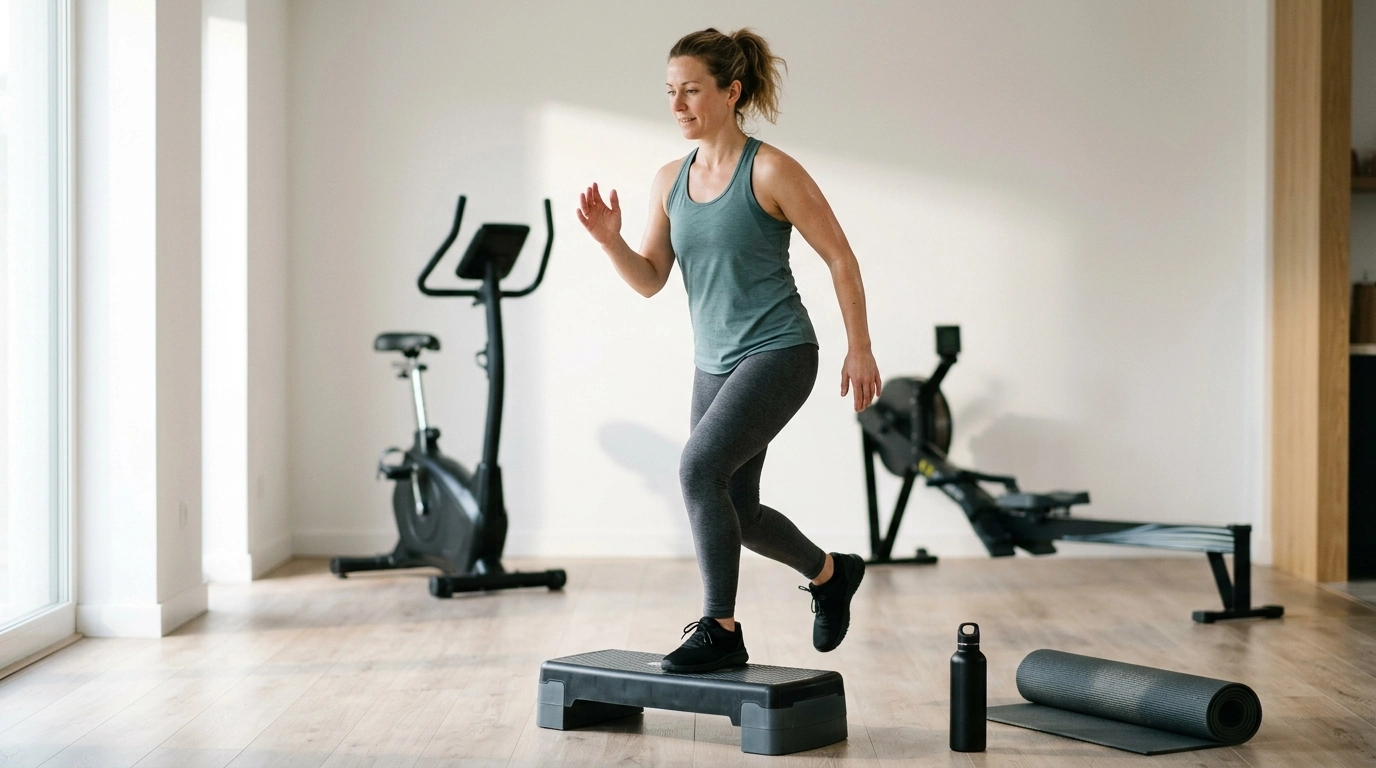
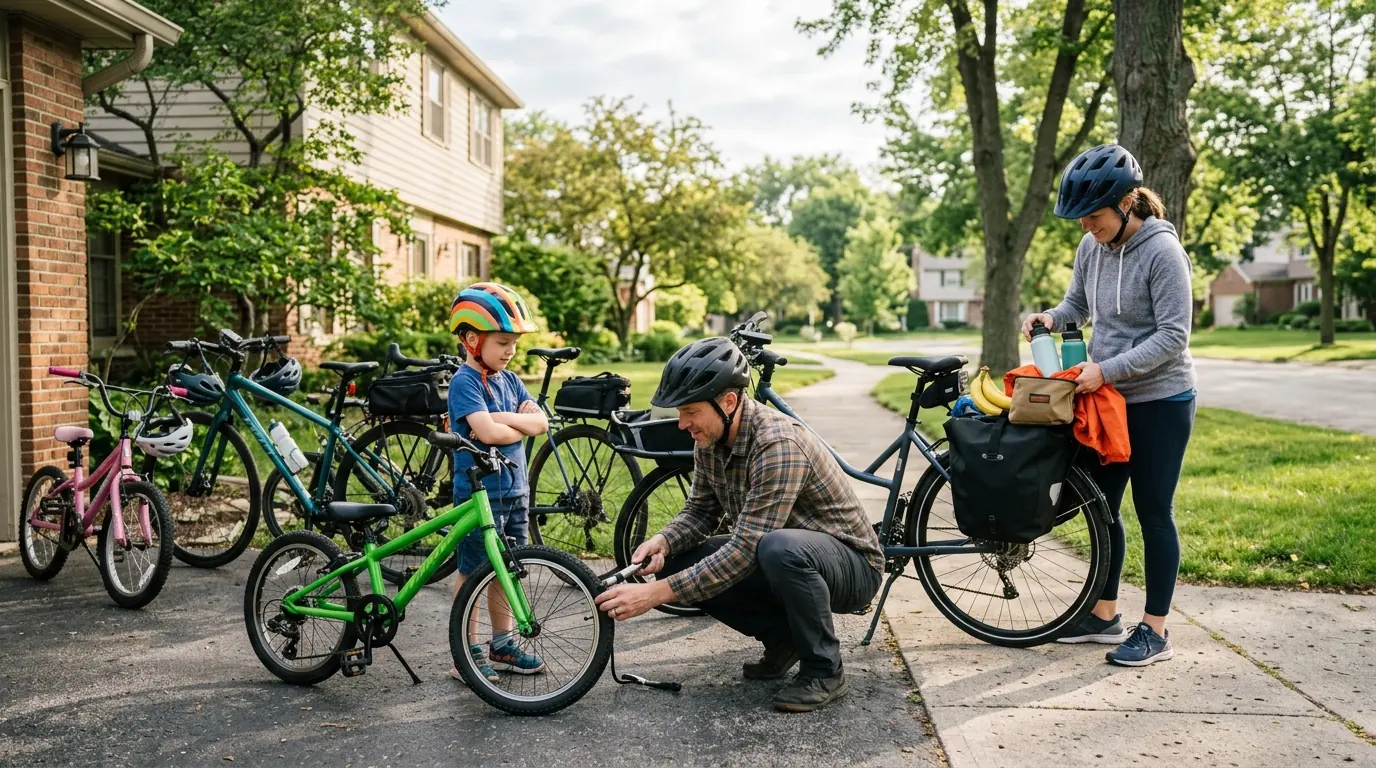
Brisk incline walking, cycling, elliptical, rowing, swimming, and controlled step-ups are excellent for steady aerobic work. These options let you stay in an easy-to-moderate zone for longer periods with less impact than running.
At-home, no-equipment options
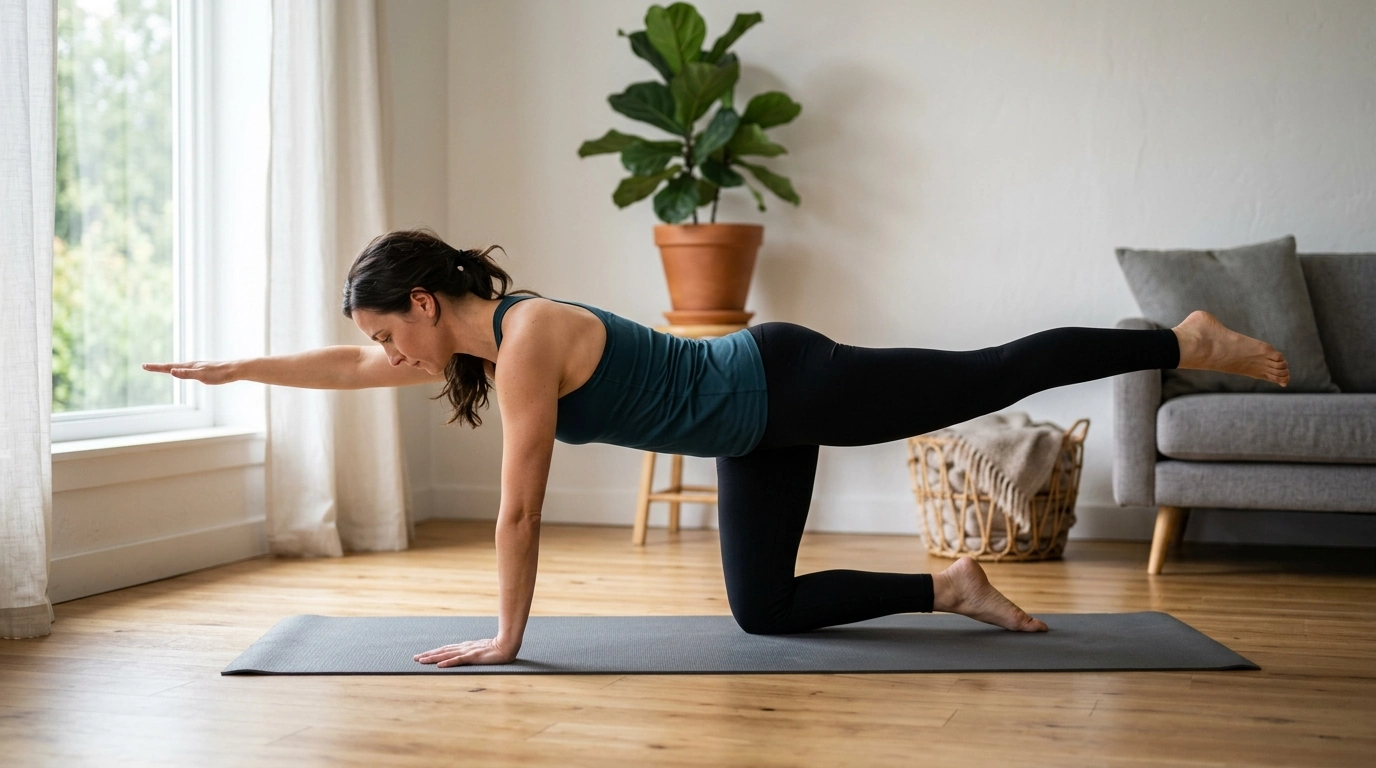
Marching in place, shadow boxing, low-impact jacks (step-out style), stair repeats, and dance cardio can all work well in a small space. The key is continuous movement—think “keep the engine running,” not “max out every rep.”
Strength-cardio hybrids (use good technique)
Kettlebell swings, sled pushes, loaded carries, and dumbbell complexes can build conditioning fast because large muscles work together. If technique is still developing, lower the load, slow the pace, and keep form crisp.
Joint-friendly picks
If your knees or ankles are sensitive, start with cycling, rowing, swimming, or a low step height for step-ups. Keep intensity moderate at first, and add volume gradually.
Blueprint workouts: three templates you can rotate all week
Template A — Base session (20–40 minutes)
Template B — Intervals (12–25 minutes)
Template C — Circuit conditioning (15–30 minutes)
Progression idea (weekly)
Sample 7-day rotation (adjust days as needed)
| Day | Session type | Duration | Notes |
|---|---|---|---|
| Day 1 | Base session | 25–35 min | Easy-to-moderate pace |
| Day 2 | Intervals | 15–20 min | Keep hard efforts consistent |
| Day 3 | Base session | 20–30 min | Recovery-friendly |
| Day 4 | Circuit conditioning | 20–30 min | Smooth transitions, good form |
| Day 5 | Base session | 25–40 min | Slightly longer, still controlled |
| Day 6 | Intervals or circuit | 12–25 min | Pick one, don’t stack both hard |
| Day 7 | Rest or gentle movement | 10–30 min | Walk, mobility, easy cycle |
Common mistakes that stall results (and quick fixes)
Going too hard too often
Choosing moves that break form
Ignoring warm-ups
No progression plan
Relying on cardio alone
Putting it all together with a ready-made plan
For a plug-and-play approach that organizes sessions, scaling, and progression without needing a treadmill, use the Cardio Without Running Blueprint.
More digital guides you may like
- How to Talk to Kids About Emotions – Practical Parenting Guide
- Cat Grooming by Breed: The Ultimate Guide to Caring for Your Cat’s Coat
FAQ
Can cardio without running help with fat loss?
Yes—fat loss depends on overall energy balance and consistency. No-run cardio can increase weekly activity and calorie burn, especially when you can train more regularly and recover well.
What’s the best low-impact option if knees hurt during workouts?
Start with cycling, rowing, swimming, or controlled step-ups at a low height. Keep intensity moderate, increase volume gradually, and seek professional guidance if pain persists or worsens.
How many days per week should no-run cardio be done?
Many people do well with 3–5 days per week, mixing easy base sessions with 1–3 harder days. Recovery and total stress matter more than pushing hard every session.










Leave a comment