5-Min Foot Self-Massage Routine for Sore, Tired Feet
Foot Self-Massage for Daily Relief: A Calm, 5-Minute Routine for Sore, Tired Feet
Foot self-massage is a simple way to unwind, ease everyday aches, and support comfortable movement—especially after long hours standing, workouts, or tight shoes. With a few safe techniques and a consistent rhythm, it can become a small daily reset for your body: less “on edge,” more grounded, and better able to move without feeling like your feet are arguing with every step.
Below is a practical routine you can do almost anywhere, plus targeted methods for common hot spots like arches, heels, and the ball of the foot.
What Foot Self-Massage Can Help With
- Relaxation after a demanding day: slow pressure and rhythmic strokes can reduce the “wired” feeling and promote calm.
- Soreness from standing or walking: gentle kneading can soothe tired muscles in the soles and around the ankles.
- Stiffness in arches and toes: focused work on the plantar surface and toe joints can improve comfort and mobility.
- Daily foot care habits: regular check-ins help spot tender areas early (hot spots, tight bands, developing calluses).
- Support for recovery routines: pairs well with stretching, hydration, and appropriate footwear for overall comfort.
If heel or arch pain is persistent, it can help to learn about common causes and when to get support. Cleveland Clinic’s overview of plantar fasciitis is a helpful reference, and Mayo Clinic offers guidance on when to seek care for foot pain.
Set Up: 60 Seconds to Make It Feel Better
- Choose a comfortable position: seated with one ankle on the opposite knee, or standing with a massage ball under the foot for light rolling.
- Warm the tissues first: 30–60 seconds of gentle rubbing or a warm compress helps reduce “guarding” and makes pressure feel smoother.
- Use a simple aid if desired: lotion for glide, a tennis/lacrosse ball for rolling, or a towel for toe stretches.
- Aim for “good pressure”: discomfort should stay in a tolerable range; sharp, electric, or worsening pain is a stop signal.
- Breathe slowly: long exhales often allow the foot to soften so less force is needed.
Quick Setup Checklist
| Item | Best for | Tip |
|---|---|---|
| Lotion or oil | Smoother strokes, sensitive skin | Use a small amount to avoid slipping |
| Tennis ball | Gentle rolling, beginners | Roll slowly; pause on tender spots 5–10 seconds |
| Lacrosse ball | Deeper pressure, stubborn tightness | Use seated position to control intensity |
| Towel | Toe and arch stretch support | Loop around forefoot for controlled pulls |
| Warm compress | Stiff, achy feet | Apply 3–5 minutes before massage |
A 5-Minute Daily Routine (No Tools Needed)
Keep pressure steady and unhurried. The goal is to convince the foot to “let go,” not to overpower it.
- Minute 1: Warm-up strokes — rub the sole from heel to toes; then sweep from the center outward to the edges of the foot.
- Minute 2: Heel and arch kneading — use thumbs to press-and-release along the arch; keep the wrist relaxed and pressure steady.
- Minute 3: Plantar fascia “slow lines” — draw slow thumb lines from heel toward the ball of the foot; repeat 3–5 passes, easing off on sharp points.
- Minute 4: Ball of foot and metatarsals — use the knuckles or thumb pads to make small circles under the ball; include the space between toe bases.
- Minute 5: Toes and finish — gently pull each toe, add small circles at toe joints, then finish with calming strokes and a few ankle circles.
A useful intensity check: if you notice you’re holding your breath or tightening your shoulders, lighten up. A calmer nervous system often responds better to moderate pressure applied consistently.
Targeted Techniques for Common Trouble Spots
Sore heels
Use broad, gentle pressure around the heel pad and along the edges where the heel meets the arch. Avoid aggressive poking directly into a very painful point, especially first thing in the morning or right after long standing.
Tight arches
Press-and-hold along the inner arch for 10–20 seconds, then release. Follow with slow thumb glides from the heel toward the ball of the foot, staying in a “productive ache” zone instead of chasing sharp pain.
Ball-of-foot tenderness
Use small circles and light-to-moderate pressure. If tenderness flares after certain shoes, consider a brief break from tight, narrow toe boxes and high heels so the area can settle.
Cramped toes
Achy ankles
How Often to Do It (and When to Stop)
For a broader look at massage safety and what research says, the National Center for Complementary and Integrative Health has a clear overview of massage therapy and common considerations.
Make It a Daily Foot Care Ritual
A Digital Guide for Step-by-Step Technique and Consistency
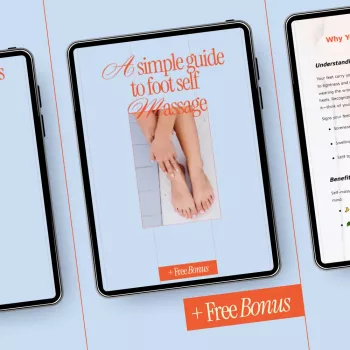
If you prefer a quick-reference format, A Simple Guide to Foot Self Massage – Digital Wellness Guide for Relaxation, Pain Relief, and Daily Foot Care is designed for easy everyday use.
More popular digital reads
- How to Talk to Kids About Emotions – Practical Parenting Guide
- Cat Grooming by Breed: The Ultimate Guide to Caring for Your Cat’s Coat
FAQ
How long should a foot self-massage take to be effective?
Most people do well with 3–10 minutes per foot, and a 5-minute routine is often enough for noticeable relief. Consistency matters more than intensity, especially if your feet are sensitive.
Is it okay to massage feet every day?
Yes for most people, as long as pressure stays moderate and your feet feel better afterward. If you have diabetes, neuropathy, or circulation issues, use extra caution and check with a clinician about safe pressure and frequency.
What should be avoided during foot self-massage?
Avoid sharp or worsening pain, aggressive pressure on inflamed areas, and massaging open wounds. Stop if numbness or tingling increases, or if you notice swelling, warmth, bruising, or sudden severe pain.












Leave a comment