Winter Dog Hoodie Guide: Fit, Safety & Warmth Tips
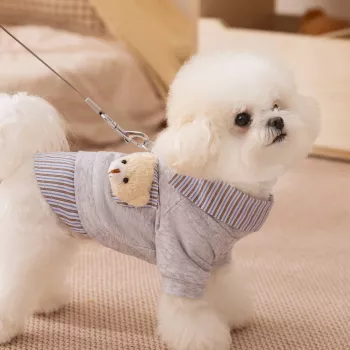
Winter warmth, without the bulk
Cold weather can turn quick potty breaks into shivery sprints—especially for small and medium dogs that lose body heat fast. A well-fitting hoodie adds an easy, everyday layer that helps retain warmth, reduces chill from wind, and keeps your dog comfortable from morning walks to couch time. Our team put this guide together to help you choose the right fit, use a hoodie safely, and build a simple winter routine you can actually stick with.
If you’re ever unsure how cold is “too cold” for your dog, it helps to review veterinarian-backed winter safety basics from sources like the American Veterinary Medical Association (AVMA), the American Kennel Club (AKC), and the ASPCA.
Why a hoodie layer helps in winter
A hoodie is a simple layer, but it can make a noticeable comfort difference when temperatures drop.
- Adds a lightweight outer layer that helps trap body heat during walks and blocks drafts at home.
- Helps reduce the “first minute shock” when stepping from a warm house into cold air.
- Works especially well for dogs that are lean, short-haired, senior, or generally sensitive to cold.
- Keeps your dog more comfortable during low-activity moments (waiting at corners, standing at doors, quick bathroom breaks).
In other words: you’re not trying to turn your dog into an arctic explorer—you’re just taking the edge off the cold so they can walk, potty, and settle down comfortably.
Meet our cold-weather pick
Winter Warm Dog Hoodie for Small & Medium Dogs
We like hoodies as an everyday winter layer because they’re practical: warm enough for many cool-to-cold days, simple to put on, and easy to pair with a steady walking pace and smarter timing (like shorter outings when the wind is biting). For dogs that get impatient or wiggly at the door, a hoodie-style layer can feel less fussy than a bulkier coat while still adding comfort.
If you’re building out a broader at-home grooming routine for the season (dry air, static, and shedding can all ramp up in winter), our team also keeps this resource handy: Cat Grooming by Breed: The Ultimate Guide to Caring for Your Cat’s Coat.
Getting the fit right (comfort comes first)
Fit is the difference between “cozy” and “get this off me.” Use these checkpoints before and after you dress your dog:
- Aim for snug-but-not-tight: your dog should move freely, breathe easily, and take normal steps without fabric pulling at the shoulders.
- Check the chest first: many dogs need more room through the chest than expected; a too-tight chest can restrict stride and cause rubbing.
- Leave clearance at the neck and armpits: rubbing often shows up behind the front legs after longer walks.
- Length matters for warmth: more back coverage reduces chill, but the hem shouldn’t interfere with potty breaks.
- When between sizes, prioritize comfort through the chest and shoulders; adjust the routine (shorter outdoor time, keep moving) rather than forcing a tight fit.
| Measure | How to measure | Fit goal |
|---|---|---|
| Chest (girth) | Wrap a soft tape around the widest part of the ribcage, just behind the front legs. | Enough room for a full breath and easy shoulder movement. |
| Neck | Measure where a collar naturally sits. | Snug without pressing; should not bunch or push into the throat. |
| Back length | From the base of the neck to the base of the tail (along the spine). | Warm coverage without blocking tail movement or potty area. |
| Test move | After dressing, ask for a few steps, a sit, and a gentle jog indoors. | No pulling at shoulders; no tripping; normal posture. |
How to use a winter hoodie safely
- Supervise the first few wears: some dogs try to chew new clothing or get anxious about sleeves or a hood.
- Keep it dry: wet fabric can chill the body quickly; after snow or rain, swap to a dry layer once indoors.
- Watch for overheating indoors: if your home runs warm, use the hoodie for short periods or remove it after the walk.
- Avoid snag hazards: indoors, remove the hoodie if your dog plays roughly with other pets, squeezes under furniture, or tends to catch clothing on objects.
- Check skin and coat: after longer outings, look for rubbing at the chest, armpits, and neck—especially on short-haired dogs.
A good rule: the hoodie should make your dog more relaxed and free-moving. If it causes stiff steps, scratching at the fabric, or intense fussing, pause and reassess fit and timing.
Pairing the hoodie with a simple winter routine
Care tips to keep it comfy all season
FAQ
How do you measure a dog for a hoodie?
Measure chest girth, neck, and back length, and size with the chest first since it’s most likely to restrict movement if it’s too tight. After dressing, do a quick movement test indoors (walk, sit, gentle jog) to confirm there’s no pulling at the shoulders or rubbing behind the front legs.
Is it safe for a dog to wear a hoodie indoors?
Yes, as long as you supervise and remove it if your dog starts chewing it, gets snagged, or plays roughly with other pets. Take it off if your home is warm or if you notice rubbing at the neck, chest, or armpits, and always swap out wet fabric after snowy or rainy walks.
When should a dog wear a warm layer in winter?
A warm layer helps most on cold or windy walks, during short potty breaks, and for dogs that are short-haired, lean, senior, or more sensitive to low temperatures. In extreme cold, keep outings brief, watch for discomfort, and prioritize steady movement rather than standing still.










Leave a comment