Long-Term Car Storage Checklist: Prep, Maintain & Restart
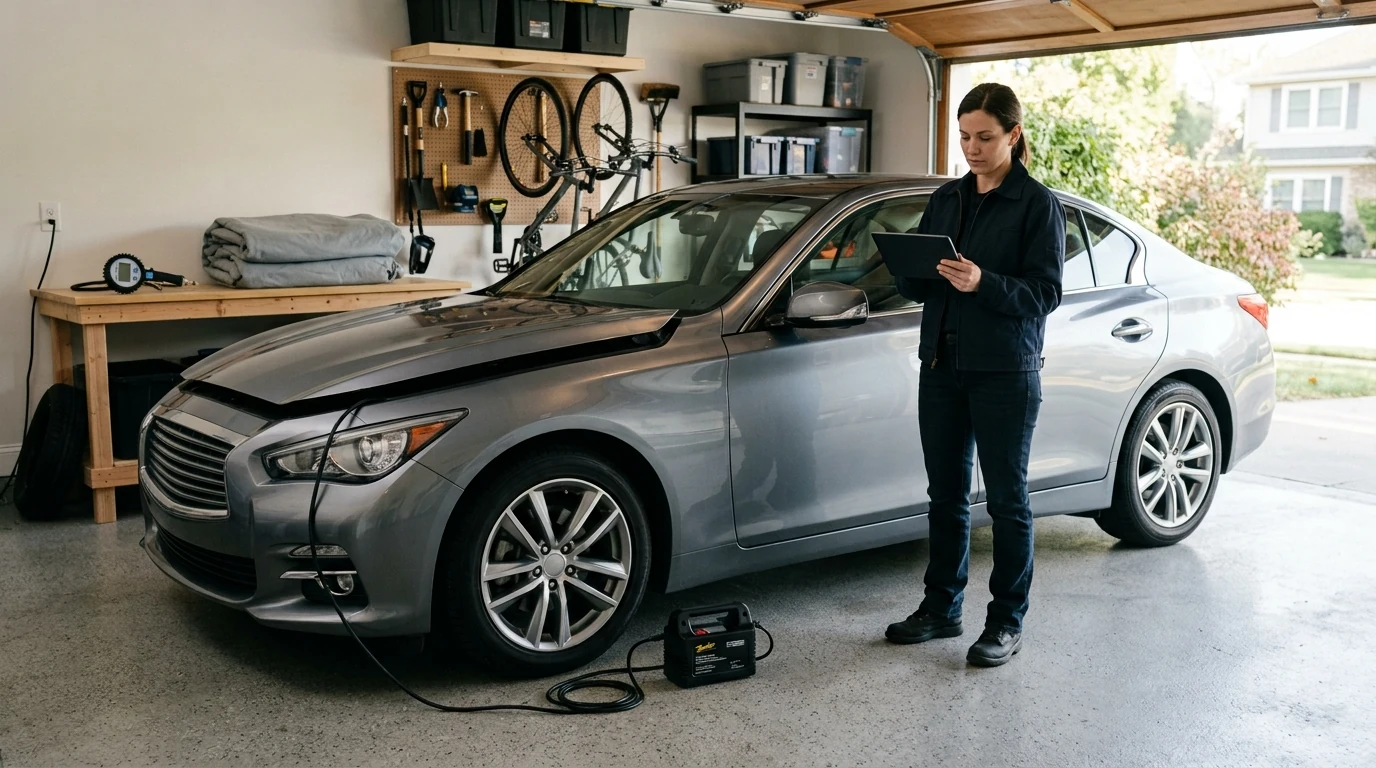
Ultimate Long-Term Car Storage Checklist: Store Your Car Long Term with Confidence
Long-term storage is easiest when every small step is decided before the keys leave your hand. Our digital checklist turns “Did I remember…?” into a clear, repeatable routine—so the battery stays healthy, fluids stay stable, tires don’t flat-spot, and the first start after storage feels predictable instead of stressful.
When this checklist is the right fit
- Ideal for seasonal storage, extended travel, deployment, campus breaks, snowbird moves, or keeping a second vehicle parked for months.
- Works for garages, carports, shared parking, and rented storage units—any place where consistency matters more than guesswork.
- Best if you want one page to follow before storage, a shorter list to check monthly, and a restart plan to bring the car back safely.
- Designed as an easy digital download so you can save it to your phone/tablet or print it and keep it with your keys, cover, or maintenance folder.
Choose a storage timeline first (it changes what matters most)
- Define your window: under 30 days (light prep), 1–3 months (battery and tire strategy), 3–12 months (fuel, moisture control, periodic checks), over 12 months (extra emphasis on corrosion prevention and documentation).
- Decide whether the car will be started during storage—starting briefly without fully warming up can add moisture and do more harm than good.
- Pick a “last driven” date and a “wake-up” date so you can schedule prep tasks and reorder supplies (stabilizer, desiccant, battery maintainer) before you’re in a rush.
Simple storage schedule to keep on the fridge or glove box
| When | What to do | Why it matters |
|---|---|---|
| 7–3 days before storage | Clean exterior/interior; gather supplies; plan parking location | Removes contaminants and prevents last-minute shortcuts |
| 1–2 days before storage | Fuel strategy; fluid check; final drive to circulate | Reduces condensation and keeps lubricants distributed |
| Storage day | Battery plan; tire plan; cover/ventilation; pest prevention; documentation | Prevents the most common storage problems: dead battery, flat spots, odors, rodents |
| Monthly (or every 4–6 weeks) | Quick visual check; moisture/pest check; maintainer status | Catches small issues before they become expensive |
| Wake-up day | Remove cover; inspect; reconnect battery; check pressures/fluids; cautious first drive | Reduces risk of warning lights, low pressure, or brake/handling surprises |
Pre-storage cleaning that actually protects the car
- Wash and fully dry the exterior, including wheel wells and lower panels—road salt, sap, and grime can etch paint over time.
- Vacuum and remove food/crumbs to avoid odors and pests; wipe down touch surfaces so humidity doesn’t “set” residues.
- In dusty areas, a breathable car cover helps; avoid non-breathable materials that can trap moisture against the paint.
- If storing outside, prioritize a weather-appropriate cover and a plan to prevent trapped condensation (ventilation plus a dry interior).
Fuel, fluids, and the “don’t create new problems” rule
- Fuel plan: For longer storage, reduce condensation risk by following a consistent approach (often a full tank plus stabilizer for gasoline vehicles). Write down what you did so you’re not guessing months later.
- Oil and other fluids: Match fluid changes to storage length and upcoming mileage—fresh oil can help reduce contaminants sitting in the engine.
- Washer fluid and coolant: Make sure both are appropriate for expected temperatures; freezing conditions deserve extra attention.
- Avoid a “cold shutdown”: Don’t park it for months right after a short trip that never warmed up fully. Moisture in the exhaust and engine bay is a common storage headache.
For general maintenance guidance, AAA’s resource hub is a solid reference: AAA Exchange. For fuel-related consumer info, you can also review the EPA’s fuel resources: EPA Fuels.
Battery confidence: decide between disconnect, remove, or maintain
Tires, brakes, and flat-spot prevention
For tire basics and safety reminders, NHTSA is a trustworthy source: NHTSA Tires.
Moisture control and pest prevention (quiet problems that get loud later)
The restart routine: a calm, controlled first start and first drive
What comes inside the easy digital download
Grab the checklist and store the car with less guesswork
When you’re ready to turn your plan into a repeatable routine, our team put everything into one clean download: Ultimate Long-Term Car Storage Checklist (easy digital download). Use it once, then keep it as your system for every future storage period.
If you like practical, easy-to-save resources, you may also want to browse a couple of our other in-stock downloads: Cat Grooming by Breed: The Ultimate Guide to Caring for Your Cat’s Coat and How to Talk to Kids About Emotions.
FAQ
How long can a car sit without being driven?
For a few weeks, the biggest risks are battery drain and tire pressure loss; over months, fuel stability, moisture, and flat-spotting matter more. Match your prep to the storage length so you’re not overdoing short-term storage or under-preparing for a longer sit.
Should the battery be disconnected for long-term storage?
You generally have three workable options: keep it on a smart maintainer if you have power, disconnect the negative terminal if you don’t, or remove the battery for very long storage or extreme cold. Whichever you choose, note what you did so you can restore settings and restart smoothly.
Is it better to store a car with a full tank or empty tank?
For many gasoline vehicles in longer storage, a fuller tank can reduce condensation, and a stabilizer can help fuel stay usable longer. Climate, vehicle type, and manufacturer guidance all matter, so choose one consistent approach and document it for wake-up day.












Leave a comment