Adaptive Cruise Control Tips for Smoother Highway Driving
Driving Smarter With Adaptive Cruise Control: Practical Guide for Modern, Confident Driving
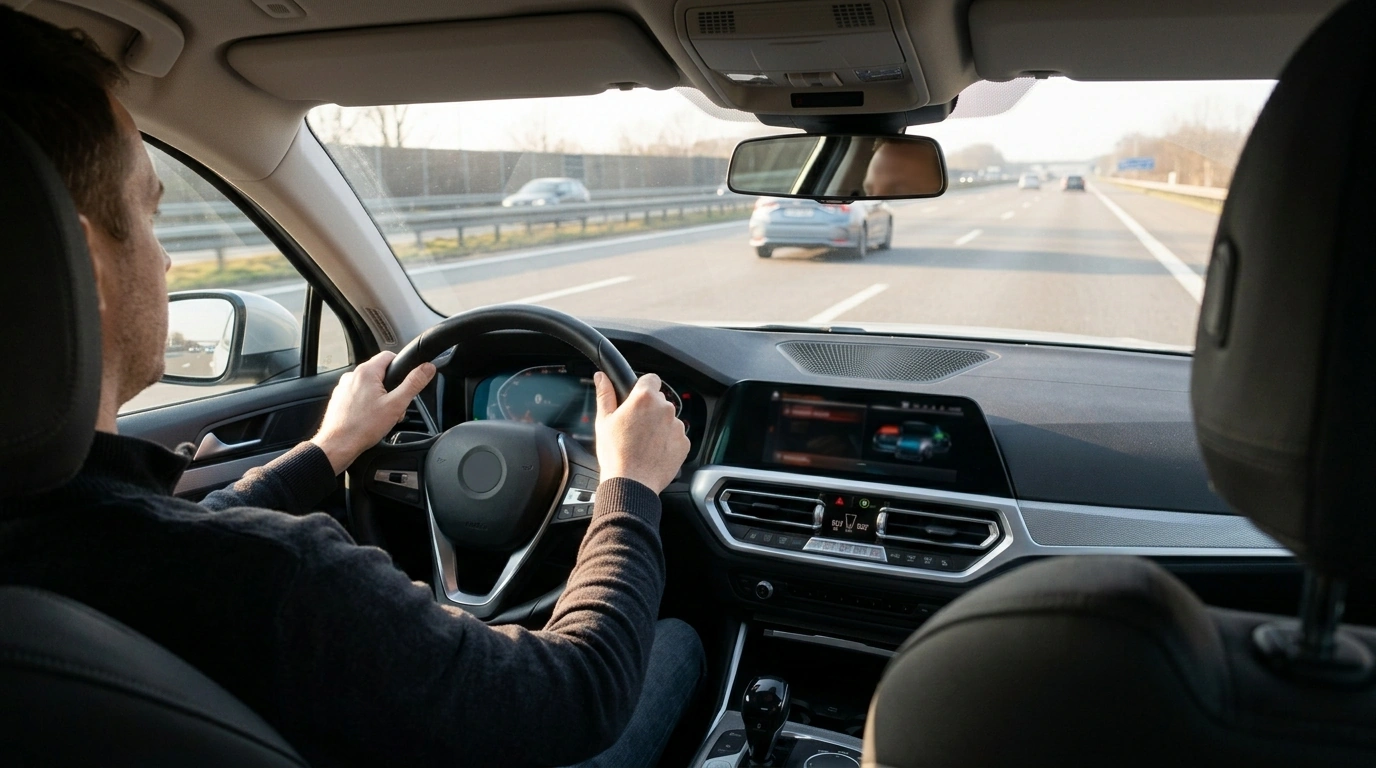
Adaptive Cruise Control (ACC) can make highway driving calmer by automatically adjusting speed to maintain a following gap. Used well, it reduces fatigue and helps keep spacing more consistent—but it is not self-driving and still requires active supervision. This guide explains how ACC works, when it helps most, where it can struggle, and how to use it smoothly and safely in everyday traffic.
What Adaptive Cruise Control Does (and What It Doesn’t)
ACC builds on traditional cruise control by adding speed changes based on traffic ahead. The goal is simple: hold your chosen speed when the road is open, and slow down when you’re approaching a slower vehicle.
- Maintains a set speed when the lane ahead is clear, like traditional cruise control.
- Detects slower vehicles ahead and reduces speed to keep a chosen following distance.
- May bring the car close to a stop in traffic if the system supports low-speed following; some systems require the driver to resume.
- Does not guarantee collision avoidance; braking capability and response timing vary by vehicle.
- Does not replace driver attention, steering control, or safe decision-making in complex situations.
How ACC Senses Traffic: Radar, Cameras, and the Limits of Each
ACC relies on sensors that estimate distance and closing speed. Understanding the basics helps explain why your car might “see” some situations better than others.
- Radar-based ACC measures distance and relative speed well in many conditions, including at night, but can misread stationary objects depending on design.
- Camera-based ACC interprets shapes and lane context but can be affected by glare, fog, heavy rain, or dirty windshields.
- Many newer vehicles fuse radar + camera for more robust tracking, yet performance still drops in low-visibility weather.
- Sensor cleanliness matters: snow, mud, ice, or road salt on the radar cover or camera area can reduce detection quality.
For broader context on driver assistance versus automation, see guidance from NHTSA and research overviews from IIHS.
Controls You’ll Use Most: Set Speed, Gap Distance, Resume, Cancel
ACC is easiest to live with when the basic buttons become second nature. Before relying on it in dense traffic, practice these controls until you can find them without looking down.
- Set speed: choose a comfortable maximum; ACC will slow down when needed but won’t exceed the set speed.
- Following gap: typically multiple distance settings; larger gaps are calmer and allow smoother braking.
- Resume: returns toward the set speed when the path clears; use gradually if traffic is dense.
- Cancel/Brake: immediately hands full speed control back to the driver; practice locating these controls before relying on ACC.
- System status indicators: learn the dashboard icons showing when ACC is active, tracking a vehicle, or limited/unavailable.
Common ACC Settings and When to Use Them
| Setting | Best for | Watch-outs |
|---|---|---|
| Shorter following gap | Light traffic with consistent flow | More frequent braking; less margin for cut-ins |
| Medium following gap | Everyday highway driving | May still brake firmly if a vehicle merges close ahead |
| Longer following gap | Rain, nighttime, heavy traffic, new ACC users | Other drivers may fill the space; expect more speed changes |
Where ACC Helps Most: Highway Cruising, Stop-and-Go, Long Commutes
ACC shines when traffic is steady enough for the system to make small, frequent adjustments you’d otherwise do with your right foot.
- Long highway stretches: reduces constant speed corrections and helps maintain consistent spacing.
- Mild stop-and-go (if supported): can reduce fatigue by managing repetitive accelerate/brake cycles.
- Speed limit transitions: helps avoid unintentional speeding when attention shifts, but requires the driver to update set speed.
- Driver workload: lowers routine workload, but attention must remain on traffic, mirrors, and road conditions.
Common ACC Surprises and How to Handle Them Calmly
Most “ACC moments” happen when traffic behavior is unpredictable or visibility is complex. Staying calm and ready to intervene turns these into non-events.
Independent testing and real-world observations vary by vehicle and scenario; resources like AAA’s driver assistance research can help set realistic expectations about strengths and limitations.
Practical Driving Habits That Make ACC Smoother
Weather, Visibility, and Road Conditions: When to Reduce Reliance
Pairing ACC With Other Driver Assistance Features
Getting Started: A Simple Practice Routine
A Practical Guidebook for Confident ACC Use
For a step-by-step explanation of ACC behavior, everyday scenarios, and confidence-building tips, see Driving Smarter With Adaptive Cruise Control – Practical Driver Assistance Guide.
For families who share a vehicle (or coach newer drivers on calm decision-making behind the wheel), How to Talk to Kids About Emotions – Practical Parenting Guide can help build the communication habits that make driving conversations clearer and less stressful.
FAQ
Is adaptive cruise control the same as self-driving?
No. Adaptive cruise control automates speed and following distance, but it does not replace an attentive driver who must steer, monitor the road, and be ready to brake or take over immediately.
Can adaptive cruise control stop and start in traffic?
It depends on the vehicle and trim. Some systems support low-speed follow and can brake to a stop and resume, while others disengage below a certain speed or require the driver to tap the accelerator or press Resume.
Why did my car brake suddenly with adaptive cruise control on?
Sudden braking can happen when a vehicle cuts into your lane, the system briefly loses track in curves or over crests, or sensors misinterpret shadows, overpasses, or roadside objects. Increasing the following gap and staying ready to intervene helps manage these moments.











Leave a comment