Summer Pet Care: Hydration, Paws, and Heat-Safe Fun
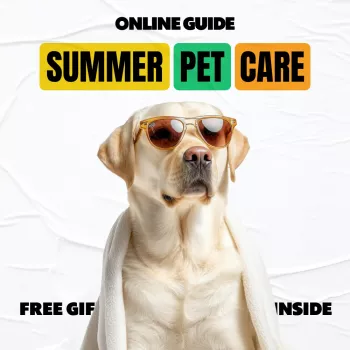
Hot weather changes how pets drink, cool down, and tolerate outdoor time. A summer routine that prioritizes water access, coat and paw care, and smart scheduling helps reduce heat stress, skin issues, and preventable emergencies—while still keeping walks, play, and travel enjoyable.
What Summer Heat Does to Pets
Dogs and cats manage heat differently than people. Dogs primarily cool themselves by panting, and cats may pant when they’re stressed or overheated—but neither has the same full-body sweating ability humans rely on. When temperature and humidity climb, panting becomes less effective and body heat can build faster than expected.
Some pets are more vulnerable in summer. Flat-faced (brachycephalic) breeds, senior pets, puppies and kittens, overweight pets, and pets with heart or airway conditions can overheat with less exertion and fewer warning signs.
Common warm-weather triggers include mid-day exercise, parked cars, hot pavement, poor ventilation indoors, and reduced water intake during travel. Even brief exposure can become dangerous, especially if airflow is limited.
Watch for early warning signs: heavy panting, excessive drooling, bright red or pale gums, weakness, vomiting or diarrhea, confusion, and collapse. If symptoms appear, move your pet to a cooler area and contact a veterinarian promptly.
Hydration Habits That Work (Indoors, Outdoors, and On the Go)
Hydration is easier when water is always convenient. Set up multiple water stations in shaded, quiet areas and refresh them often. Washing bowls daily helps prevent slippery “slime” buildup and reduces bacteria.
Some pets drink more with small changes: a wider bowl that doesn’t touch whiskers, a pet fountain for moving water, or a small amount of added water to meals. If your pet has kidney disease, heart disease, or any diet restrictions, confirm any changes with your veterinarian first.
During walks and play, offer small sips regularly instead of waiting until your pet is panting heavily. Pair water breaks with shade and airflow—fans, open windows with screens, and cool resting spots can reduce panting and fluid loss.
Skip salty snacks during extreme heat and keep treats reasonable. When appropriate for your pet’s diet plan, moisture-rich options can help support hydration.
| Scenario | What to Pack/Set Up | How Often to Offer Water | Extra Safety Note |
|---|---|---|---|
| Home day | 2–3 bowls or a fountain; ice cubes if tolerated | At least every few hours; refill as needed | Place away from litter boxes and direct sun |
| Walks/hikes | Portable bottle + bowl; shade plan | Every 10–20 minutes during activity | Stop if panting escalates or gait changes |
| Car rides | Spill-proof bowl; cool packs (not direct contact) | At stops and when panting increases | Never leave pets in a parked car |
| Beach/lake days | Fresh water + bowl; towel; rinse water | Very frequent small sips | Discourage drinking saltwater or lake water |
For a deeper, step-by-step summer plan you can keep on your phone, see Summer Pet Care: The Ultimate eBook Guide to Best Summer Care for Pets, Hydration, Grooming, and Outdoor Safety.
Grooming for Cooling: Coat, Skin, and Parasite Control
Summer grooming is less about cutting hair short and more about keeping the coat functional. Brushing removes loose undercoat, improves airflow at the skin, and helps prevent mats that trap heat and moisture. Frequency depends on coat type—some pets need quick daily brushing while others do fine with a few sessions per week.
Avoid shaving double-coated breeds unless a veterinarian recommends it. Their coat can help regulate temperature and protect against sun exposure. Shaving can increase sunburn risk and may change coat texture as it regrows.
Bathe only as needed with pet-safe shampoo and rinse thoroughly; leftover product can lead to itchiness and hot spots. Pay special attention to ears, skin folds, and areas under collars or harnesses where sweat and water can linger.
Parasites thrive in warm weather. Keep flea, tick, and mosquito prevention consistent and do a quick check after outdoor time. For general prevention guidance, the CDC’s tick bite prevention tips are a helpful reference: Centers for Disease Control and Prevention: Preventing Tick Bites.
If your cat’s coat needs a more tailored approach, Cat Grooming by Breed: The Ultimate Guide to Caring for Your Cat’s Coat breaks down practical routines by coat type.
Paws and Pavement: Protecting Feet on Hot Surfaces
Hot pavement can burn paw pads quickly. Use the back-of-the-hand test: if you can’t hold your hand on the surface for several seconds, it’s too hot for paws. Asphalt, dark concrete, and metal surfaces heat up fastest.
Shift walks to early morning or late evening and choose grass, dirt trails, or shaded routes whenever possible. Keep nails trimmed and paw fur tidy to reduce slipping and heat retention. After outings, check pads for cracks, redness, or blisters.
Outdoor Safety: Timing, Shade, and Smart Exercise
For more hot-weather safety reminders, these veterinary and animal welfare resources are worth reviewing: American Veterinary Medical Association: Hot Weather Safety Tips and ASPCA: Hot Weather Safety Tips.
Summer Home Setup: A Cooler, Safer Environment
A Simple Daily Summer Routine (Heat-Smart Rhythm)
FAQ
How can heat exhaustion be recognized in pets?
Common signs include heavy panting, drooling, weakness, vomiting or diarrhea, confusion, and collapse. Risk increases with humidity and in flat-faced breeds. If these symptoms appear, move your pet to a cool area and contact a veterinarian immediately.
Is it safe to shave a pet’s coat in summer?
It depends on coat type. Double-coated breeds often shouldn’t be shaved because the coat can help regulate temperature and protect skin from sunburn; regular brushing is usually safer. Targeted trims or medical clips should be guided by a veterinarian or experienced groomer.
How often should water be offered on hot walks?
Offer small sips every 10–20 minutes during activity, plus extra during shade breaks. Avoid waiting until your pet is panting hard, and stop the walk if panting worsens or your pet seems weak or unsteady.









Leave a comment