Cat Grooming by Breed: Tools, Schedules & Coat Tips
Cat Grooming by Breed: The Ultimate Guide to Caring for Your Cat’s Coat
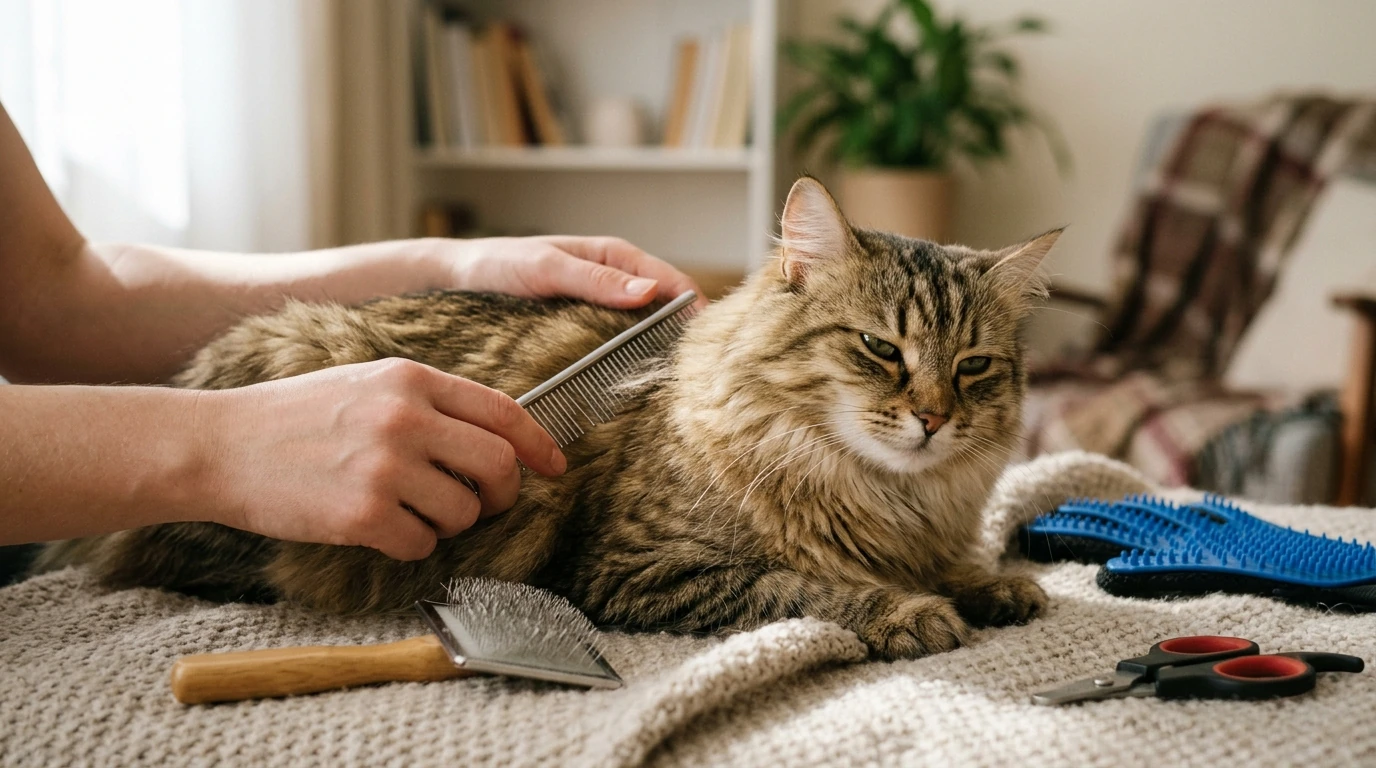
Coat care isn’t one-size-fits-all. A Persian’s dense undercoat, a Maine Coon’s shaggy ruff, and a Siamese’s sleek short hair each come with different brushing needs, shedding patterns, and common tangles. This guide breaks grooming down by breed group and coat type, with practical routines, tools, and tips for sensitive cats—so coats stay glossy, skin stays healthy, and hairballs stay manageable. For more guidance, see Cat coat types and grooming care – Animal Wellness Magazine.
Start with the basics: coat type, temperament, and health
Before buying new tools or increasing brushing frequency, match your routine to three factors that matter more than breed labels alone: coat structure, comfort level, and underlying health. For further reading, see Cat Grooming Tips – ASPCA.
Grooming toolkit: what to use and when
For a deeper, breed-by-breed routine you can follow week to week, keep Cat Grooming by Breed: The Ultimate Guide to Caring for Your Cat’s Coat handy as a quick reference.
Breed-based grooming schedule (quick reference)
Recommended grooming frequency by breed group
| Breed group (examples) | Coat traits | Brushing frequency | Common trouble spots | Bathing notes |
|---|---|---|---|---|
| Long-haired, dense undercoat (Persian, Himalayan) | Very high mat risk; thick undercoat | Daily 5–10 min + full comb-through 2–3x/week | Behind ears, armpits, belly, tail base | Occasional baths can help oil buildup; dry thoroughly and comb while drying |
| Long-haired, shaggy/double (Maine Coon, Norwegian Forest) | Water-resistant topcoat + undercoat | 3–5x/week; daily during heavy shed | Ruff, britches, underarms | Baths rarely needed; focus on deshedding and thorough rinsing if bathed |
| Medium coat (Ragdoll, Turkish Angora) | Silky coat; moderate tangles | 2–4x/week | Belly, friction areas | Spot cleaning usually enough; bathe if greasy or soiled |
| Short-haired (Siamese, Bengal, American Shorthair) | Low mat risk; shedding varies | 1–2x/week (or more in spring/fall) | Loose hair on back/hips; dander | Bathing uncommon; use wipes for quick cleanup |
| Curly or unusual coat (Devon Rex, Cornish Rex) | Delicate coat; skin oils more noticeable | Gentle wipe-down + very soft brush as needed | Greasy feel, ear wax buildup | Bathe only as needed with mild cat shampoo; avoid harsh brushing |
| Hairless (Sphynx) | No coat; higher skin oil | Weekly wipe-down; weekly or biweekly bath | Skin folds, tail base, nails, ears | Regular bathing and fold cleaning are key; moisturize only if vet-approved |
Long-haired breeds: preventing mats without a daily struggle
- Line-comb, don’t surface-brush: part the coat in layers and comb from skin outward so the undercoat is actually detangled.
- Start with mat zones first: behind ears, collar area, armpits, belly, and the base of the tail tend to tighten up fastest.
- Work tiny tangles patiently: loosen with fingers or a wide-tooth comb. If your cat stiffens, pause and return later instead of pulling.
- Skip scissors near skin: cat skin tears easily and can be lifted into a mat. Tight mats near the skin are safer for a professional groomer or a veterinary shave.
- Hairball support: consistent brushing reduces swallowed fur. Cornell’s feline health guidance on hairballs is a useful reference for when routine grooming isn’t enough: Cornell University College of Veterinary Medicine: Hairballs in Cats.
Short-haired and sleek-coated breeds: shine, shedding, and skin health
Flat-faced and fold-prone breeds: eyes, face, and hygiene
Bathing: when it helps and when to skip it
Most cats don’t need regular baths. Per the ASPCA’s cat grooming guidance, routine brushing and spot cleaning usually cover day-to-day needs.
A calm routine: make grooming easier for both of you
If grooming triggers stress scratching at home, pairing coat care with a scratch-management plan can reduce overall tension. See Why Your Cat Targets Your Furniture – A Practical Guide Explaining Why Does My Cat Scratch Furniture & How to Stop It for practical setup tips.
When to get professional or veterinary help
- Mat emergencies: mats tight to the skin, widespread mats, or mats that cause pain should be removed professionally.
- Skin warnings: redness, scabs, bald spots, strong odor, or persistent dandruff should be evaluated by a veterinarian.
- Sudden self-care changes: senior cats that stop grooming may have arthritis or dental pain.
- Fleas require a full plan: flea dirt or live fleas calls for prevention and environmental control; brushing alone won’t solve an infestation. AAHA’s overview is a solid starting point: American Animal Hospital Association (AAHA): Flea and Tick Prevention.
FAQ
How often should a cat be groomed?
Most short-haired cats do well with grooming about once weekly (often 1–2x/week during spring and fall shedding). Medium coats typically need 2–4 sessions per week, while long-haired and double-coated cats may need 3–7 sessions per week to prevent mats. Seniors often benefit from shorter, more frequent sessions.
What is the safest way to remove mats from a cat’s fur?
Start by loosening the mat gently with your fingers, then use a wide-tooth comb and work in tiny sections without pulling. Avoid using scissors near the skin—cat skin can tear easily. If the mat is tight to the skin, large, or your cat reacts painfully, a professional groomer or veterinarian is the safest option.
Do cats need baths if they are indoor-only?
Usually not—regular brushing and spot cleaning handle typical indoor dirt and shedding. Baths can help for greasy coats, allergens, medical shampoos prescribed by a vet, or if your cat gets into something sticky or smelly. Use cat-specific shampoo and rinse thoroughly to prevent itchiness.











Leave a comment